

Article Overview
Understanding the different types of centrifugal pumps is essential when selecting equipment for industrial applications. While centrifugal pumps operate on the same basic principle, their configuration has a direct impact on flow, pressure, serviceability, and long term reliability. This article explains the most common types of centrifugal pumps used in industrial systems, how each configuration fits specific operating conditions, and why choosing the right pump matters for performance, maintenance, and overall system life.
What Are The Main Types Of Centrifugal Pumps?
The term centrifugal pump refers to a broad category of pumps that use a rotating impeller to move fluid. Within that category, there are several configurations designed for different operating conditions and installation requirements.
The most common types of centrifugal pumps used in industrial service include end suction pumps, split case pumps, multistage pumps, vertical turbine pumps, and inline pumps.
Each of these pump types solves a different operating problem. Some are better suited for moderate pressure and compact layouts. Others are built for higher flow, higher pressure, or more difficult suction conditions. If you want a better understanding of the basic operating principle before comparing configurations, our article on how a centrifugal pump works explains how fluid moves through the pump and why pressure and flow are affected by system design.
When End Suction Pumps Are The Right Choice
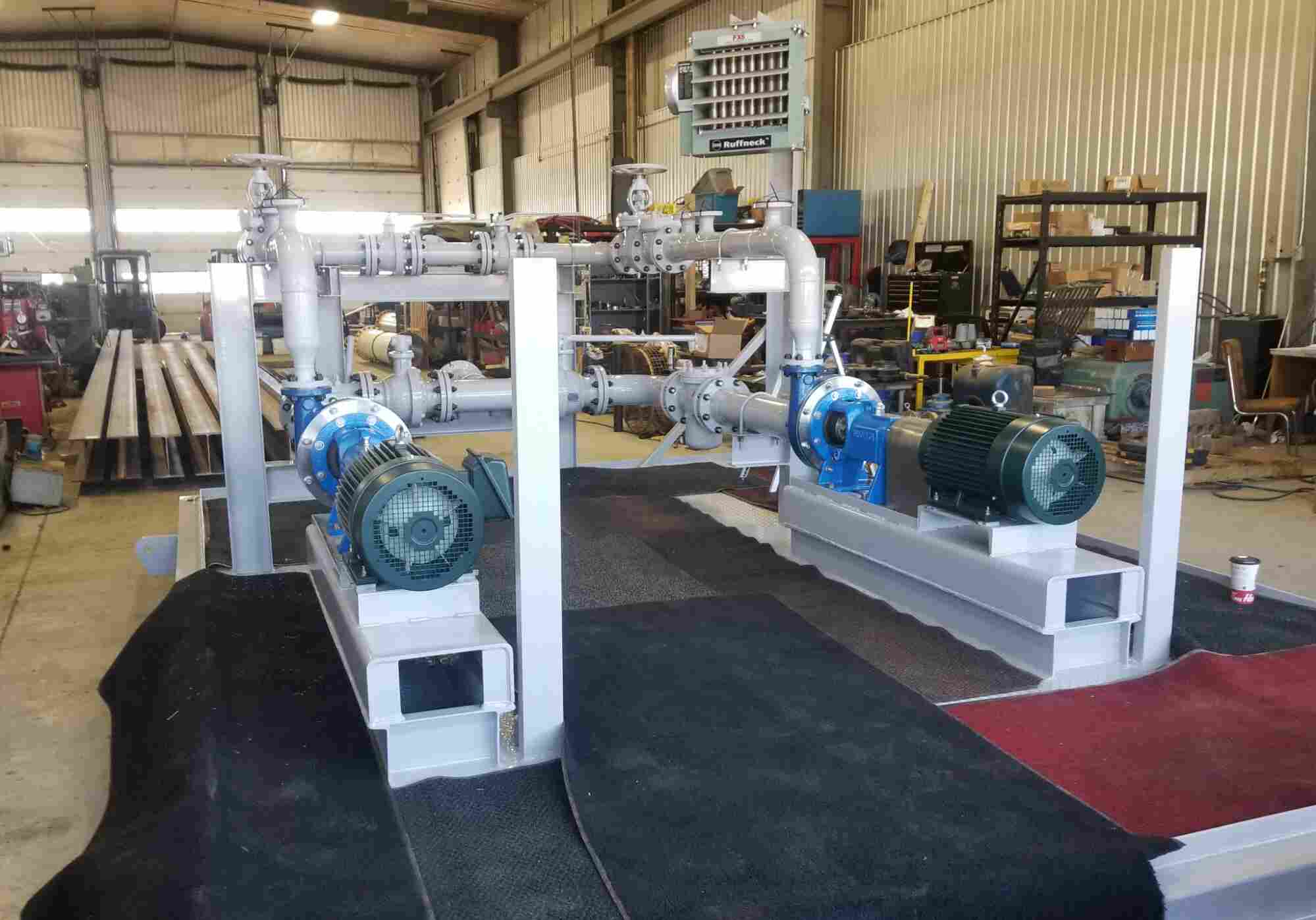
End suction pumps are one of the most widely used centrifugal pump configurations in industrial and municipal systems. They are commonly selected for general water transfer, circulation service, and process applications where operating conditions are relatively straightforward.
In this design, liquid enters the pump from one side and exits through the top or side of the casing. End suction pumps are popular because they are compact, easier to install, and generally simpler to maintain than larger pump configurations. They are often a practical choice when space is limited and the required pressure is moderate.
Their simplicity is one of their main strengths, but it can also lead to overuse. In many facilities, end suction pumps are chosen because they are familiar, not because they are the best match for the application. If the system requires higher flow rates, higher pressure, or better hydraulic stability, another option from the available types of centrifugal pumps may provide stronger long term performance and fewer maintenance issues.
Why Are Split Case Pumps Used In High Flow Applications?
Split case pumps are often selected for applications where high flow and dependable operation are critical. In this configuration, the casing is split horizontally or vertically, allowing easier access to internal components during inspection and service.
These pumps are commonly used in municipal water systems, cooling water circulation, fire protection, and other industrial services that move large fluid volumes. One reason they perform well in these environments is their balanced hydraulic design, which can reduce shaft deflection, improve bearing life, and support smoother operation over time.
For operations teams, that matters. A pump that is easier to inspect and less prone to mechanical stress can reduce maintenance interruptions and improve system reliability. Split case pumps do require more installation space than smaller pump configurations, but in systems where uptime and flow capacity matter most, that tradeoff is often justified.
How Multistage Pumps Handle Higher Pressure
Not every system is defined by flow alone. Some applications require the pump to generate significantly higher discharge pressure, which is where multistage pumps come in.
A multistage pump uses multiple impellers in series. Each stage adds pressure to the liquid as it moves through the pump. This makes multistage pumps well suited for boiler feed systems, mine dewatering, long pipeline transfer, and other services where higher total head is required.
This is one of the most important distinctions when reviewing types of centrifugal pumps. A single stage pump may appear suitable based on flow, but if the pressure requirement is too high, it may operate inefficiently or wear out faster. Matching the pump configuration to the actual system head is essential for reliable service. When pressure demand is underestimated during selection, the result is often poor performance, excessive wear, and repeated troubleshooting after startup.
Where Do Vertical Turbines And Inline Pumps Fit?
Vertical turbine pumps are typically used where fluid must be lifted from below grade, such as wells, tanks, pits, or wet wells. Their vertical design allows the pumping elements to sit below the surface while the driver remains above ground. This makes them a practical solution in municipal water, industrial intake, and drainage applications.
Inline pumps solve a different problem. Because the suction and discharge nozzles are aligned, they fit directly into the piping system and can reduce the space required for installation. They are commonly used in HVAC systems, process circulation loops, and other applications where footprint and piping simplicity matter.
These examples show why comparing types of centrifugal pumps is not just a matter of shape or size. Each configuration is designed around different system challenges, and selecting the wrong one can create avoidable performance and maintenance problems. The best configuration is the one that matches the operating environment, service requirements, and maintenance realities of the facility.
How Do You Choose Between Types Of Centrifugal Pumps?
Choosing the right pump starts with the system, not the catalog. Flow rate, total dynamic head, fluid characteristics, operating temperature, solids content, suction conditions, and installation limitations all need to be evaluated together.
This is where many pump problems begin. A pump may look acceptable based on one operating point but still be the wrong fit once real site conditions are considered. That can lead to vibration, seal failures, poor efficiency, repeated maintenance, or difficult commissioning. In some cases, the better solution may not be a centrifugal pump at all. Our article on centrifugal pump vs positive displacement pump explains how those choices differ and when each type makes sense.
Selection also needs to account for serviceability. A pump that performs well on paper but is difficult to access, align, or maintain can create long term operating problems. That is why choosing between types of centrifugal pumps should always involve both hydraulic requirements and practical maintenance considerations.
Why Pump Packaging Matters After Pump Selection
Choosing the pump is only part of the job. How that pump is integrated into the system has a direct effect on long term performance.
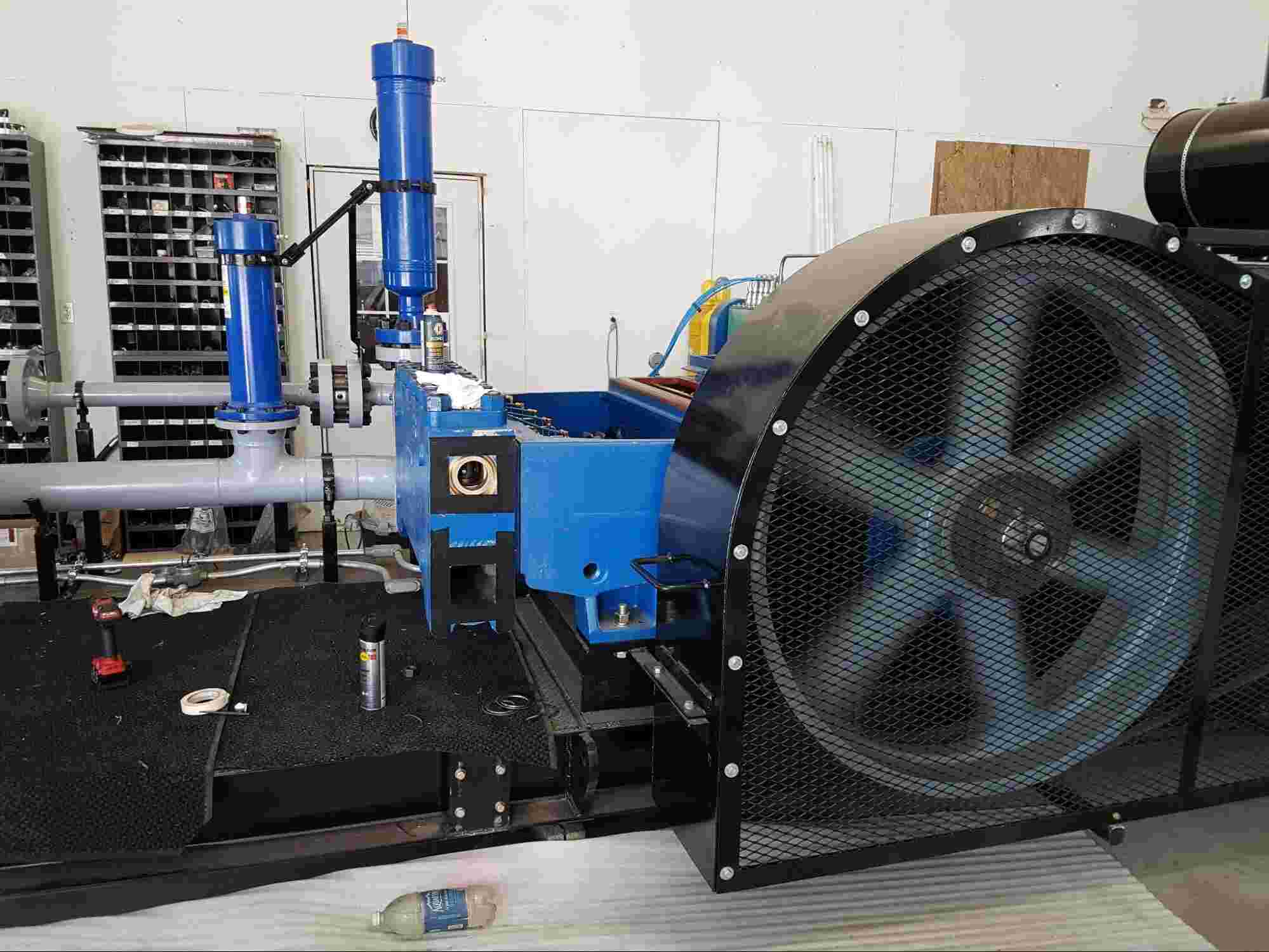
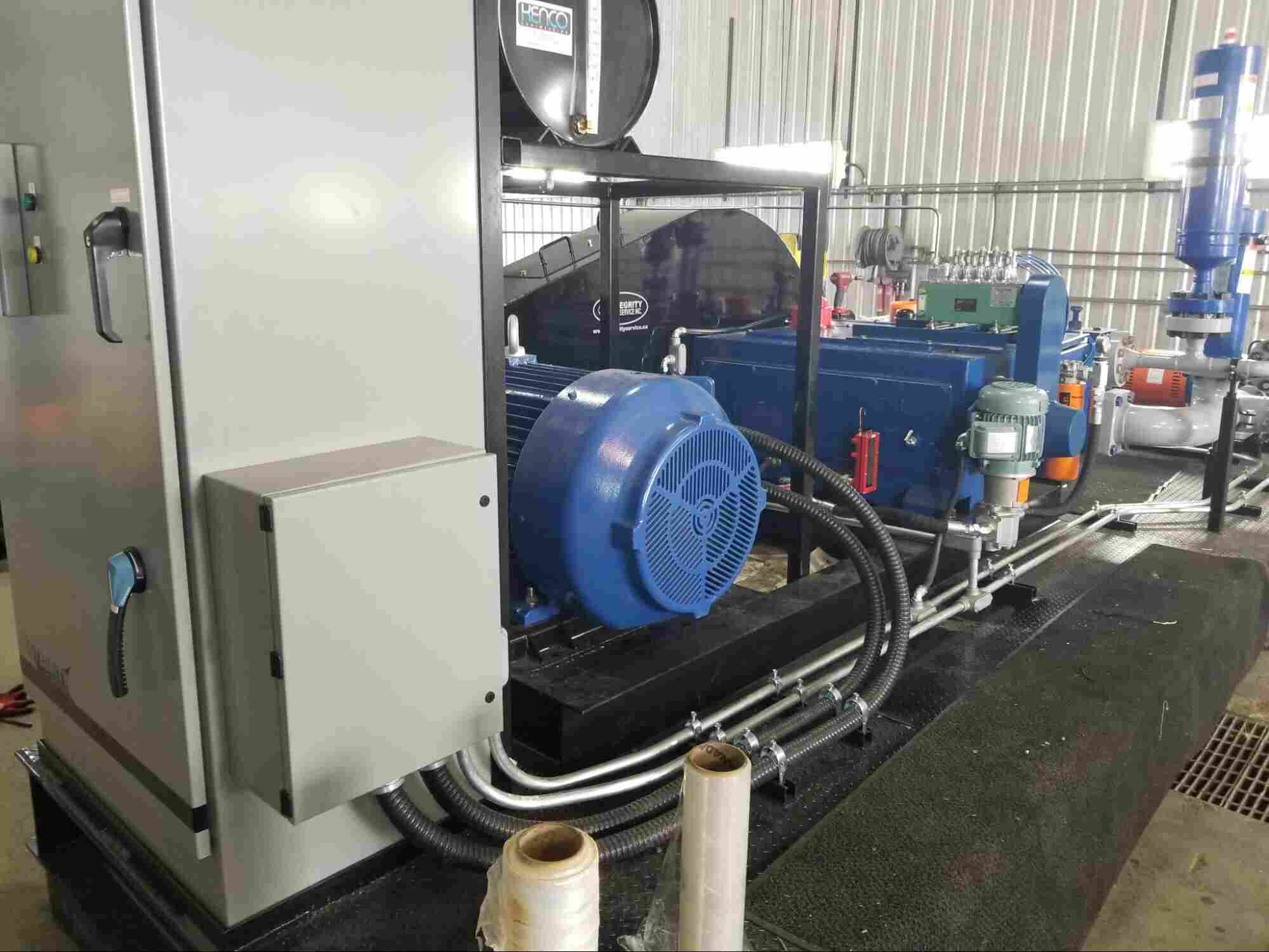
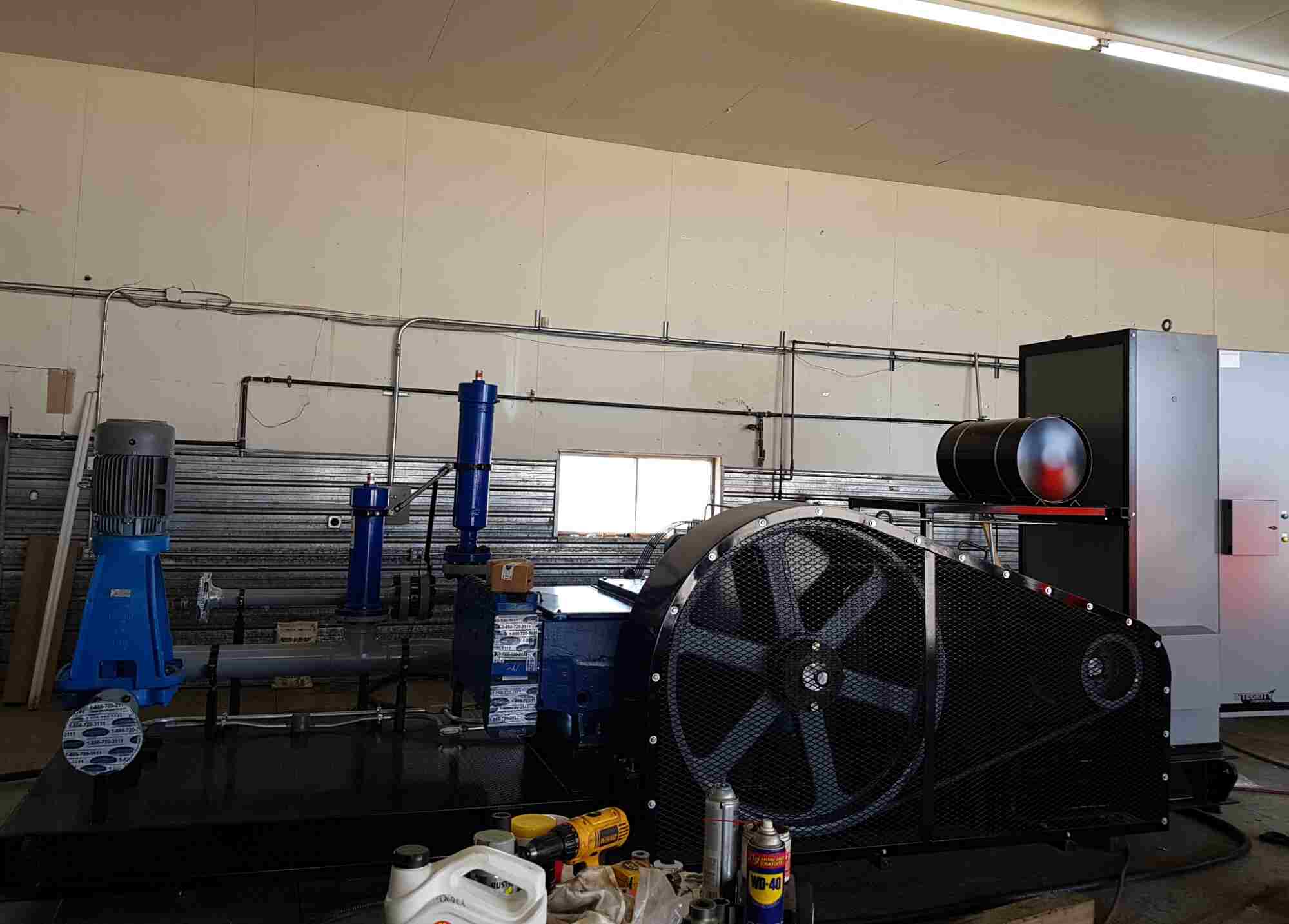
That is why pump packages matter. A properly configured package brings together the pump, motor, structural base, piping, valves, and controls as one coordinated system. This reduces alignment issues, limits field modifications, and improves startup consistency.
For industrial facilities, that means fewer surprises after installation. A well designed package supports better commissioning, smoother operation, and easier maintenance over the life of the equipment. This is one area where Integrity Pump Service Inc. adds practical value by supplying pump systems built for real operating conditions rather than generic assemblies.
Why Do Support Services Matter For Long Term Reliability?
Even the correct pump configuration will underperform if fit-up, alignment, or repair quality is poor. Long term performance depends on more than initial selection.
That is where support capability matters. In-house machining helps reduce delays when components need repair, modification, or replacement. It also makes it easier to support legacy equipment, specialized applications, and urgent service needs without waiting on outside vendors.
For maintenance teams trying to control downtime, that level of support can make a measurable difference in turnaround time, operating cost, and overall reliability. Reliable pump performance depends on more than the equipment itself. It depends on how quickly issues can be resolved and how well the system is supported once it is in service.
The Key to Better Pump Performance and Reliability
The different types of centrifugal pumps are designed for different operating conditions, and selecting the right configuration has a direct impact on reliability, service life, and maintenance cost. End suction pumps, split case pumps, multistage pumps, vertical turbine pumps, and inline pumps all serve a purpose, but only when they are matched correctly to the system.
For engineers, maintenance managers, and operations teams, the goal is not simply to buy a pump. The goal is to install a system that performs reliably, can be serviced efficiently, and holds up under real operating conditions.
If you are planning a new pump installation or experiencing performance issues, our specialists can review your system and recommend the right pump configuration to improve reliability and reduce downtime. Contact us using the form below to start the conversation.