
Article Overview
Understanding centrifugal pump cavitation causes is essential for protecting pump reliability, reducing vibration, and preventing premature component failure. Cavitation occurs when pressure inside the pump drops low enough for vapour bubbles to form in the liquid. When those bubbles collapse, they create damaging shock forces that can erode impellers, damage seals, increase vibration, and reduce long term system performance. This article explains why cavitation happens, how suction conditions and NPSH affect pump operation, and how proper pump packaging, alignment, and system design can help prevent repeat failures.
What Is Centrifugal Pump Cavitation?
Centrifugal pump cavitation occurs when liquid pressure falls below the fluid’s vapour pressure, causing vapour bubbles to form inside the pump. These bubbles are carried into higher pressure areas, where they collapse rapidly.
That collapse can create intense localized impact. Over time, repeated bubble implosion can pit metal surfaces, damage impeller vanes, disturb hydraulic flow, and increase mechanical stress throughout the pump.
Operators often notice cavitation as a rattling or gravel-like sound. It may also show up as fluctuating discharge pressure, reduced flow, vibration, seal leakage, or repeated bearing problems. If the root cause is not corrected, cavitation can shorten pump life and increase maintenance costs.
For a broader explanation of impeller rotation and pressure generation, read our article on how a centrifugal pump works in industrial applications.
What Are The Most Common Centrifugal Pump Cavitation Causes?
The most common centrifugal pump cavitation causes are related to inadequate suction pressure, poor piping layout, incorrect pump selection, or operating conditions that push the pump outside its intended range.
In many cases, cavitation is not caused by the pump alone. It is caused by how the pump interacts with the full system. A pump may be properly built, but if the suction line is undersized, the fluid is too hot, the lift is too high, or the pump is running too far from its best efficiency point, cavitation can still occur.
Common causes include:
- Insufficient net positive suction head available
- Restricted or undersized suction piping
- Excessive suction lift or long inlet piping runs
- Air leaks, vortexing, or poor tank level control
- Incorrect pump selection or operation away from the best efficiency point
These issues reduce the pressure available at the pump inlet. Once suction pressure drops too low, vapour bubbles form and cavitation begins.
Why Does NPSH Matter In Cavitation Prevention?
NPSH stands for net positive suction head. Every centrifugal pump has an NPSH required value, which is the minimum suction energy needed to operate without cavitation. The system also has an NPSH available value, supplied by piping, fluid level, atmospheric pressure, fluid temperature, and inlet conditions.
For reliable operation, NPSH available must be greater than NPSH required, with a suitable safety margin. If that margin is too small, the pump may cavitate during changes in flow, temperature, or tank level.
How Do Suction Conditions Cause Pump Cavitation?
Suction conditions directly affect cavitation risk. The pump inlet should provide smooth, stable, properly pressurized flow into the impeller. Too many elbows, valves, reducers, or restrictions close to the pump can create turbulence and pressure loss.
A clogged strainer, partially closed suction valve, low tank level, or poor submergence can have the same effect. Hotter liquids also increase cavitation risk because they vaporize more easily. Good suction design, proper line sizing, and clean inlet conditions help maintain stable flow.
How Does Cavitation Damage Pump Performance?
Cavitation affects more than hydraulic efficiency. As vapour bubbles collapse, they can erode the impeller and casing. This reduces efficiency, changes pump performance, and creates vibration that stresses bearings, seals, couplings, and foundations.
Seal faces may wear faster, bearings may run hotter, and the pump may no longer operate in a stable condition. This is why vibration analysis is useful when diagnosing cavitation problems. It helps identify abnormal vibration and support more accurate repair decisions.
How Can Proper Pump Selection Reduce Cavitation Risk?
Preventing cavitation starts with selecting the right pump for the actual duty. Flow rate, total dynamic head, suction pressure, fluid temperature, viscosity, and operating range all need to be reviewed together.
A pump should not be selected only for one duty point. In real systems, valves open and close, tank levels change, strainers load up, and fluid temperature may vary. Our article on types of centrifugal pumps explains how configuration affects performance, serviceability, and long term reliability.
Why Do Pump Packaging And Vibration Analysis Help Prevent Cavitation Problems?
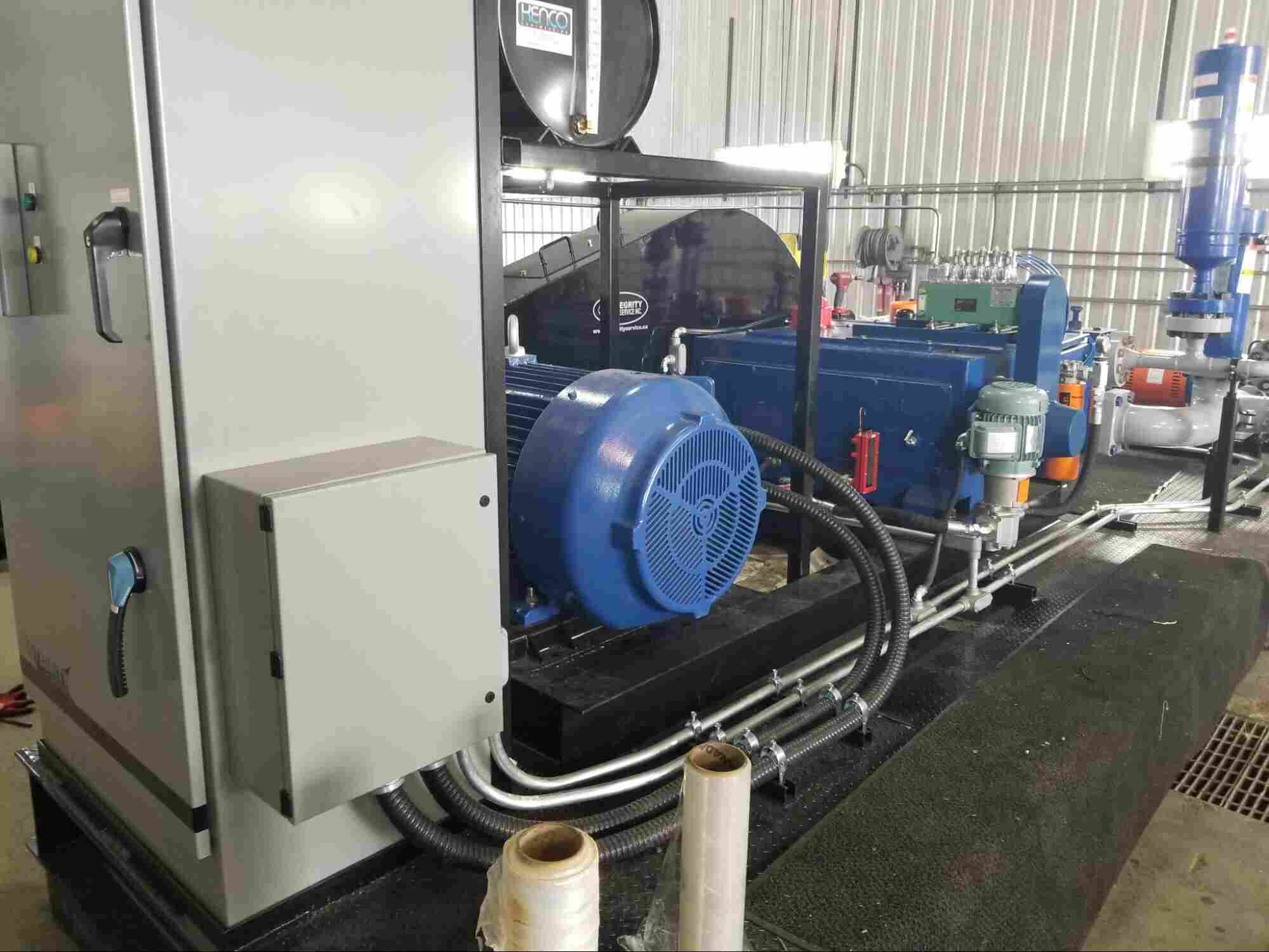
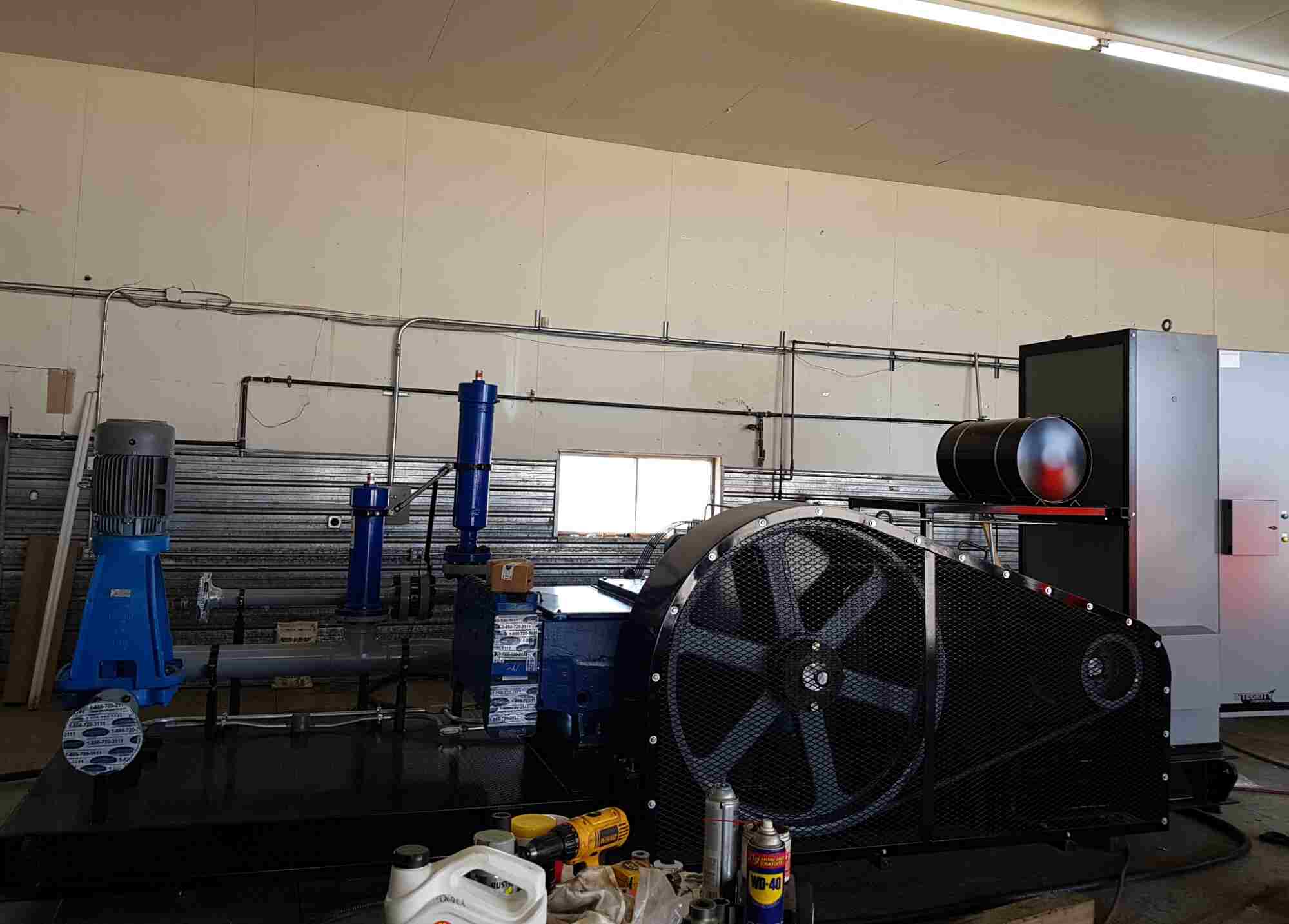
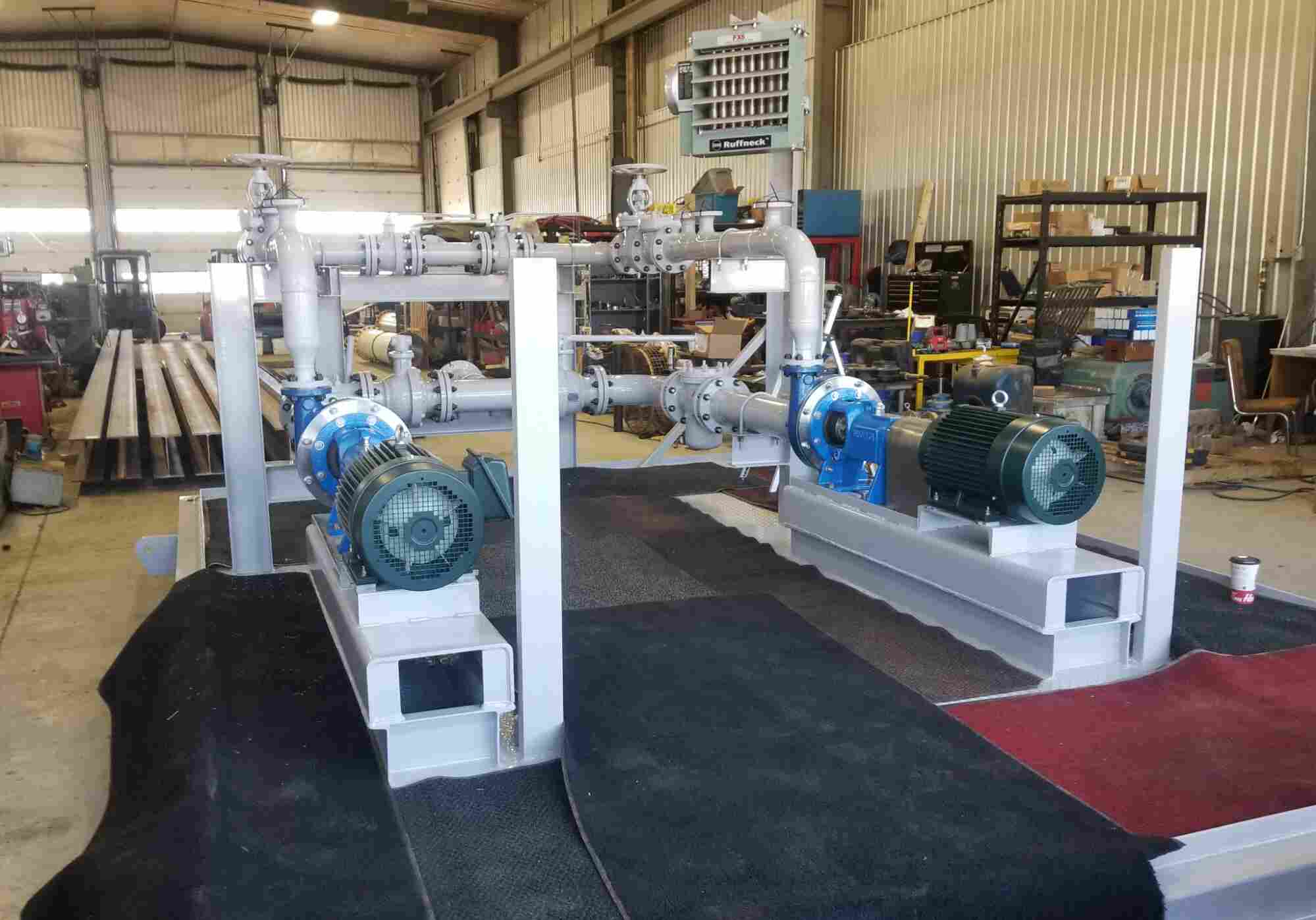
Pump packaging can reduce cavitation risk by ensuring the pump, motor, piping, valves, base, and controls are designed as one coordinated system. Poor field fit-up, unstable piping, and unsupported components can all contribute to vibration and unreliable operation.
A properly designed pump package helps control piping layout and improve startup consistency. Vibration analysis is also useful when cavitation is suspected because vibration data helps determine whether the issue is related to cavitation, misalignment, imbalance, bearing wear, or another mechanical condition.
How Can Centrifugal Pump Cavitation Be Prevented Long Term?
Centrifugal pump cavitation causes usually trace back to suction conditions, NPSH limitations, system design, or incorrect operation. When these issues are ignored, cavitation can damage impellers, increase vibration, reduce efficiency, and shorten equipment life.
The solution is to review the pump and system together. Correct pump selection, proper suction design, vibration analysis, and engineered pump packaging all help reduce cavitation risk and improve long term reliability.
If you are dealing with cavitation, vibration, or recurring centrifugal pump performance issues, our specialists can review your system and recommend practical changes to improve reliability and reduce downtime. Use the form below to contact us and discuss your system requirements.