

Article Overview
Centrifugal pumps are widely used in industrial operations to move fluids efficiently and reliably. Understanding how a centrifugal pump works helps engineers, operators, and maintenance teams select the right equipment, diagnose performance issues, and improve system reliability. This article explains the centrifugal pump working principle in practical terms, including how impeller rotation moves fluid, how velocity converts into pressure, how system head affects performance, and why proper pump configuration is critical in industrial applications.
What Is The Centrifugal Pump Working Principle?
The centrifugal pump working principle is based on converting rotational energy into fluid movement.
A motor rotates a shaft connected to an impeller inside the pump casing. As the impeller spins, fluid enters the center of the pump and is forced outward by centrifugal force. This outward movement increases the velocity of the liquid.
The pump casing then slows the fluid down. As velocity decreases, the energy converts into pressure. That pressure pushes the liquid through the discharge piping and into the rest of the system.
This process happens continuously while the pump is operating. Fluid is constantly drawn into the center of the impeller and pushed outward, allowing the pump to maintain steady flow.
In practical terms, a centrifugal pump works through four basic steps:
● Fluid enters the pump through the suction inlet
● The rotating impeller accelerates the fluid outward
● Velocity energy converts into pressure inside the casing
● Pressurized fluid exits the pump into the system
Because of this simple operating principle, centrifugal pumps are well suited for moving large volumes of liquid with relatively low mechanical complexity.
How Impeller Rotation Moves Fluid
The impeller is the main working component inside a centrifugal pump. Its design directly affects how efficiently the pump moves fluid.
When the motor spins the impeller, the curved blades push liquid outward from the center of the pump toward the edges of the casing. This outward motion creates centrifugal force, which increases the speed of the fluid.
At the same time, a low-pressure zone forms at the center of the impeller. This pressure difference pulls more fluid into the pump through the suction line. As long as the pump continues to rotate and fluid is available at the inlet, the cycle continues.
Impeller design varies depending on the application. Some impellers are enclosed to improve efficiency when pumping clean liquids. Others are open or semi-open so they can handle fluids that contain solids or debris.
Selecting the correct impeller design is one of the most important factors in ensuring reliable pump operation in industrial systems.
How Velocity Becomes Pressure
A key part of understanding how a centrifugal pump works is recognizing how fluid velocity becomes pressure.
When fluid leaves the impeller, it is moving at high speed but does not yet have much pressure. The pump casing is designed to convert that velocity into usable pressure.
Most centrifugal pumps use a volute casing or a diffuser. Both designs gradually slow the fluid down while directing it toward the discharge outlet. As the velocity decreases, the fluid’s kinetic energy transforms into pressure energy.
This pressure is what allows the pump to move liquid through pipelines, push fluid uphill, or overcome resistance within the system.
Without this conversion from velocity to pressure, the pump would not be able to deliver fluid effectively to the rest of the process.
Understanding System Head In Pump Performance
Even a properly designed pump will struggle if the system it serves is not properly understood.
System head refers to the total resistance the pump must overcome to move fluid through a system. This includes elevation changes, pipe friction, fittings, valves, and any required discharge pressure.
For example, moving water through a short horizontal pipe requires far less energy than pushing fluid through a long pipeline or lifting it to a higher elevation.
If the system head is higher than expected, the pump may deliver less flow than intended. If it is lower, the pump may operate inefficiently or outside its optimal range.
Engineers must evaluate the system head carefully during pump selection. A pump that is perfectly suitable for one system may perform poorly in another if the operating conditions are different.
Understanding the system head is essential for predicting how a centrifugal pump will perform once it is installed.
Why Proper Pump Configuration Matters
The centrifugal pump working principle may be simple, but the reliability of a real industrial system depends on proper configuration.
Pump selection must consider fluid characteristics, required flow rates, operating pressures, temperature conditions, and installation constraints. Small mismatches between pump design and application can lead to issues such as vibration, cavitation, or premature wear.
Mechanical factors also play a role. Shaft alignment, base stability, piping design, and installation accuracy all affect pump performance. Even well-designed equipment can fail early if these factors are not addressed during installation.
Industrial facilities that invest time in proper pump configuration typically see better reliability, smoother commissioning, and lower maintenance costs.
How Pump Packaging Improves Reliability
In many industrial systems, the pump is only one part of a larger assembly.
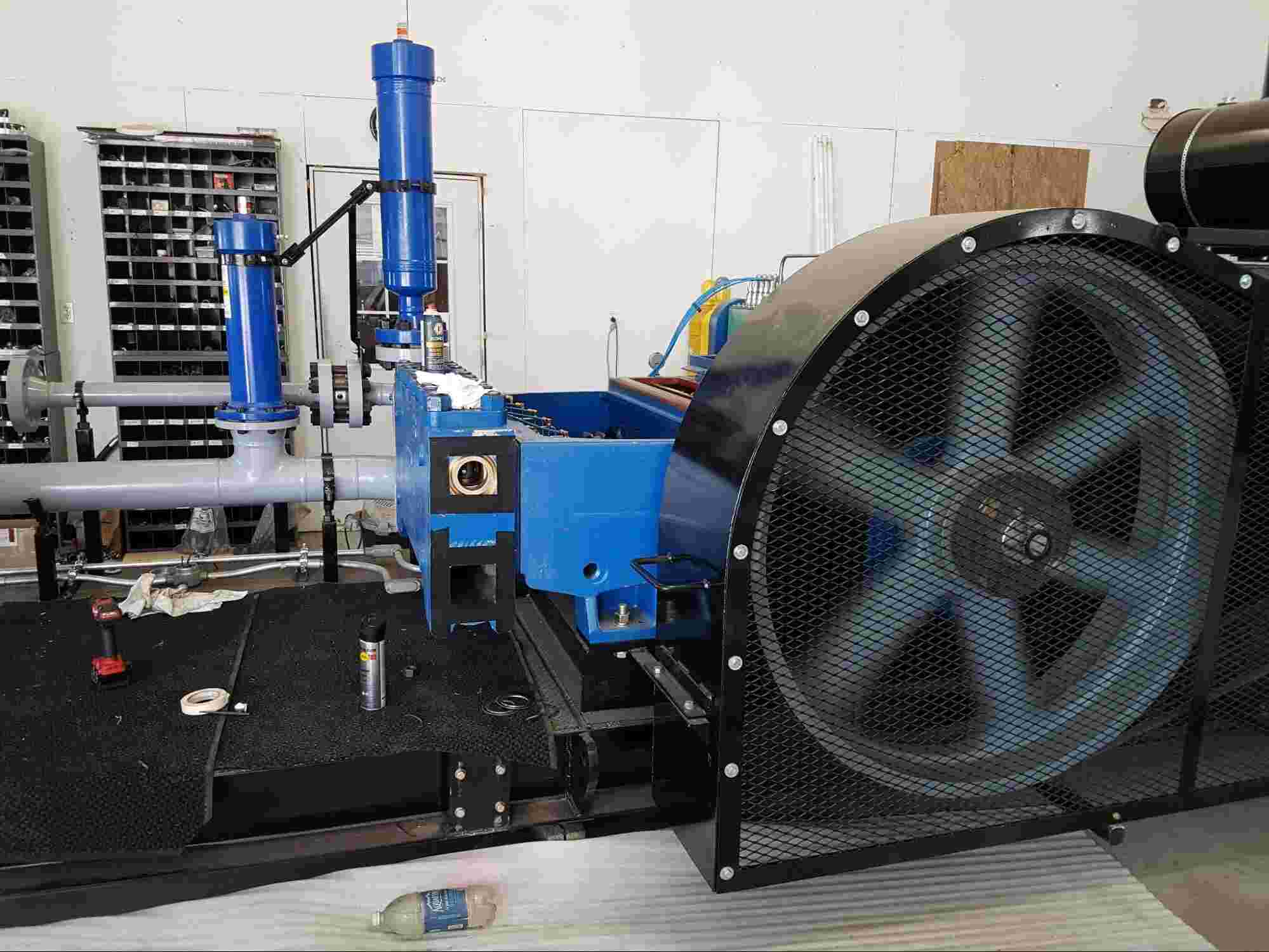
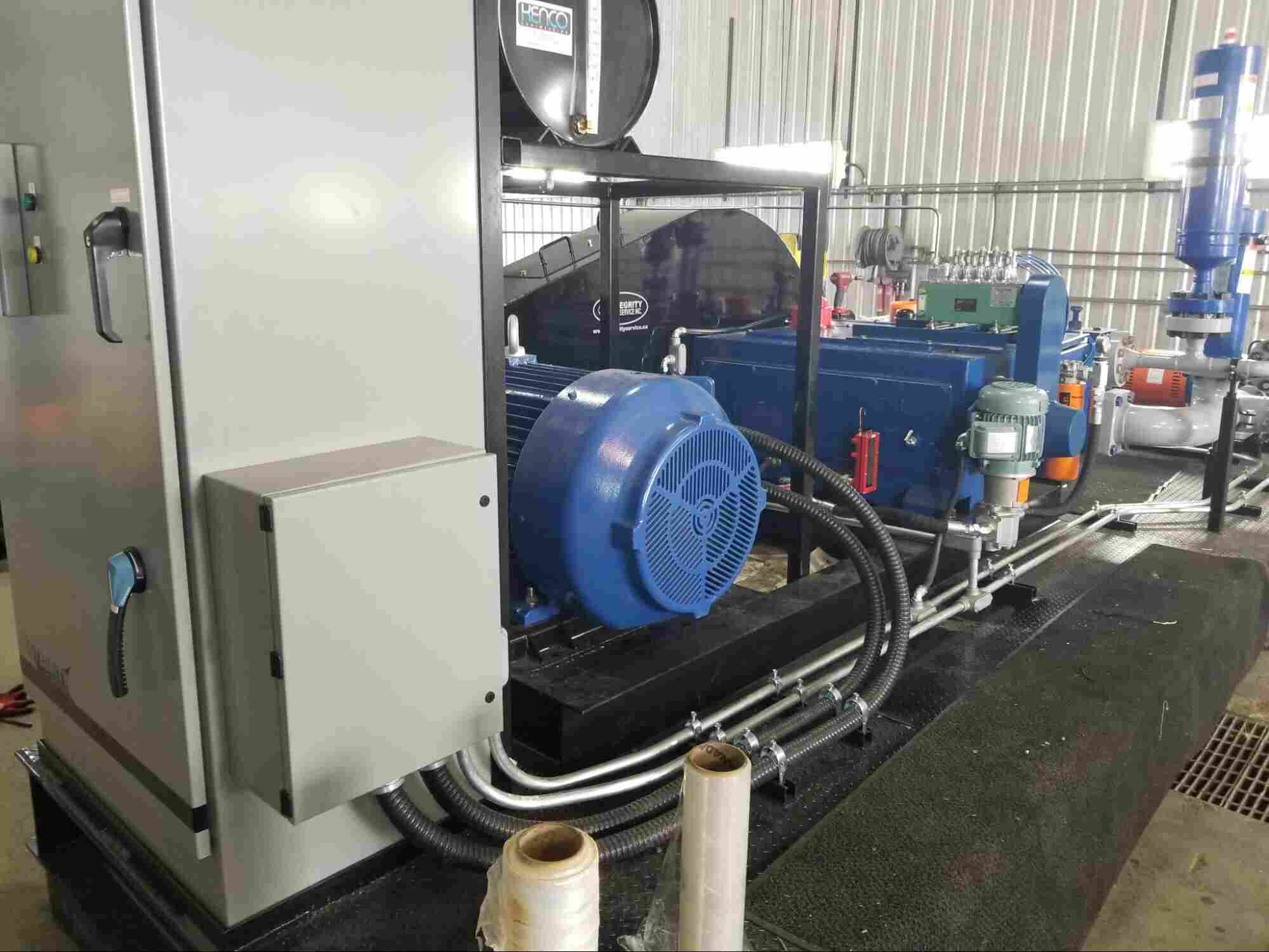
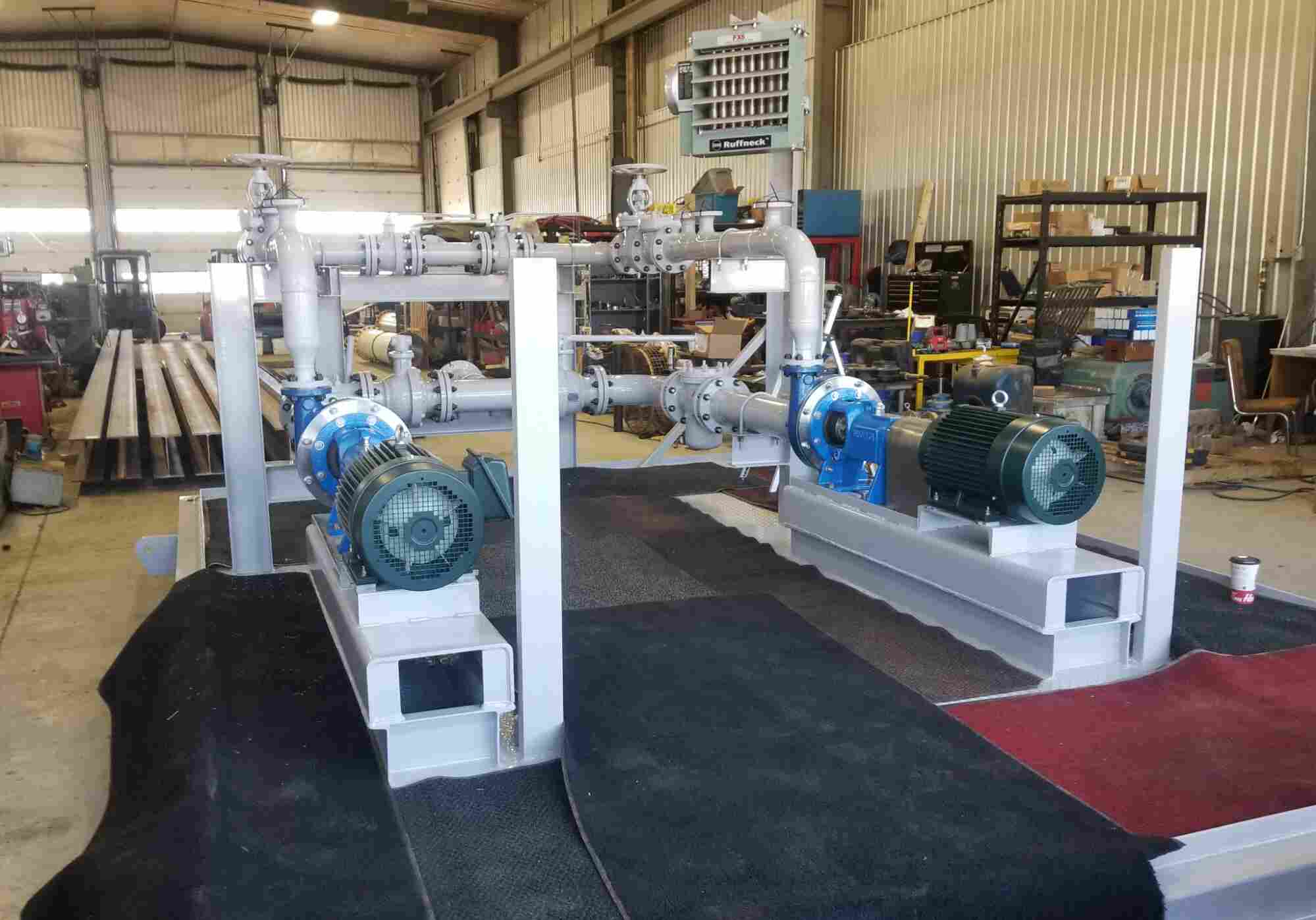
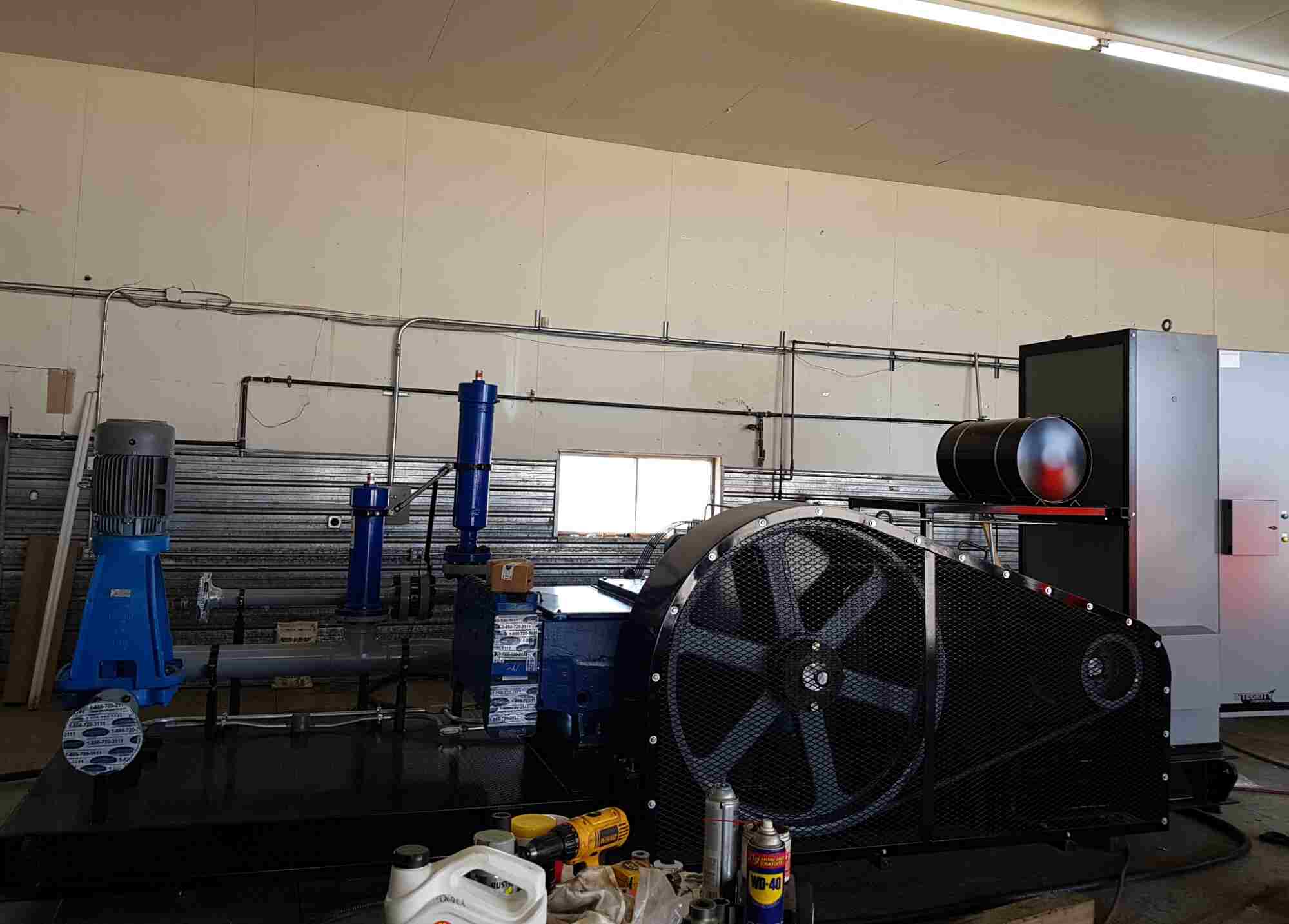
Pump packaging refers to integrating the pump, motor, structural base, piping, valves, and instrumentation into a single engineered unit. When these elements are designed and assembled together, installation becomes more predictable and alignment issues are easier to control.
A properly packaged pump system reduces the risk of mismatched components or field modifications during installation. It also helps ensure that the pump operates within the conditions it was designed for.
For operations teams responsible for maintaining uptime, a well-designed pump package can significantly reduce commissioning problems and long-term maintenance issues.
Why Understanding Pump Operation Matters
For maintenance managers, engineers, and operators, understanding how a centrifugal pump works provides a practical advantage.
It makes it easier to diagnose performance problems, evaluate equipment options, and recognize when a system is not operating within its intended range. It also helps teams understand why proper pump selection, alignment, and system design are critical for reliable operation.
Centrifugal pumps may appear simple from the outside, but their performance depends on many interconnected factors. When those factors are properly managed, these pumps can deliver dependable service across a wide range of industrial applications for many years.
If you are planning a new pump installation or experiencing performance issues, our specialists can review your system and recommend the right pump configuration to improve reliability and reduce downtime. Use the form below to contact us and discuss your system requirements.