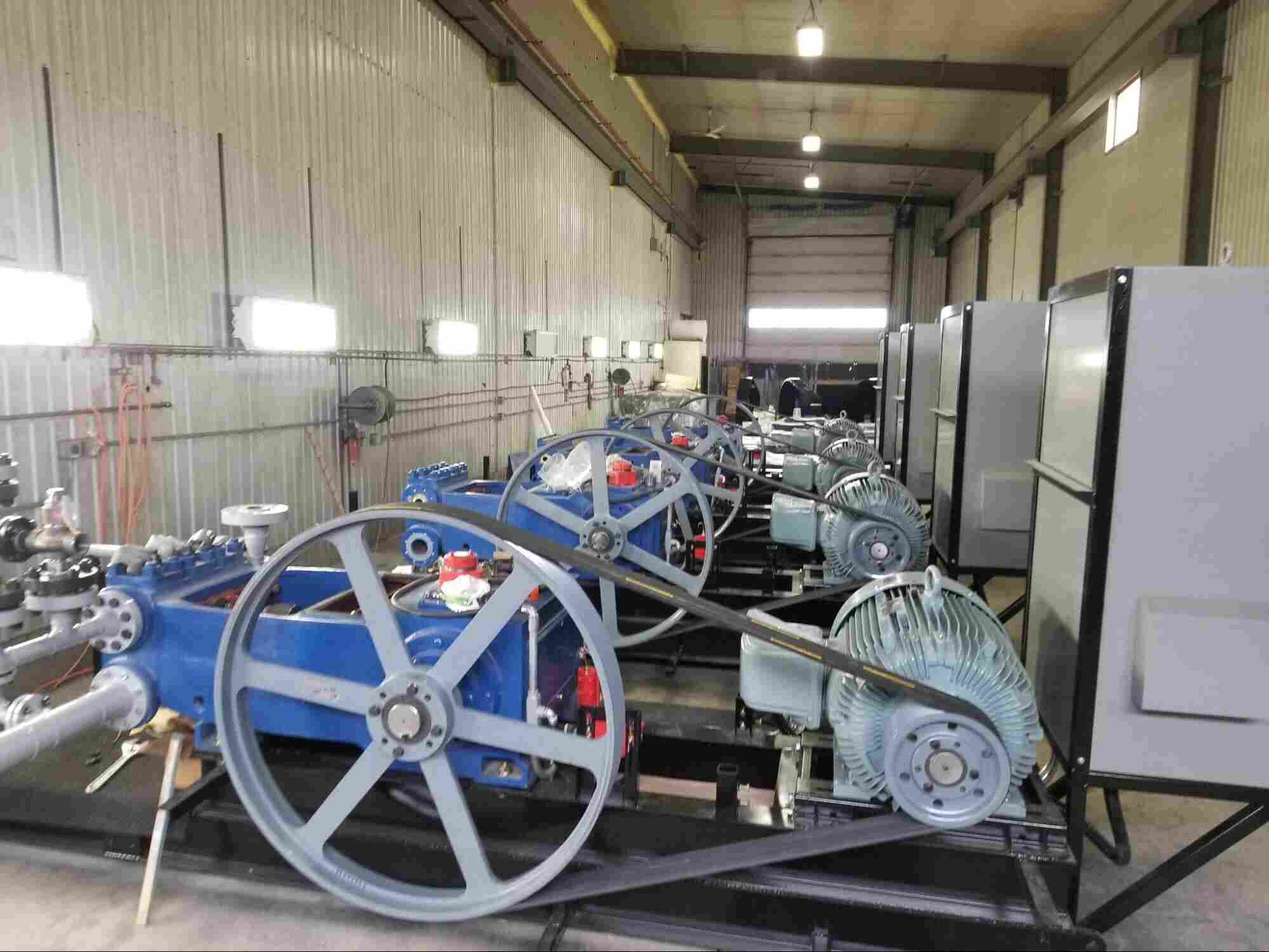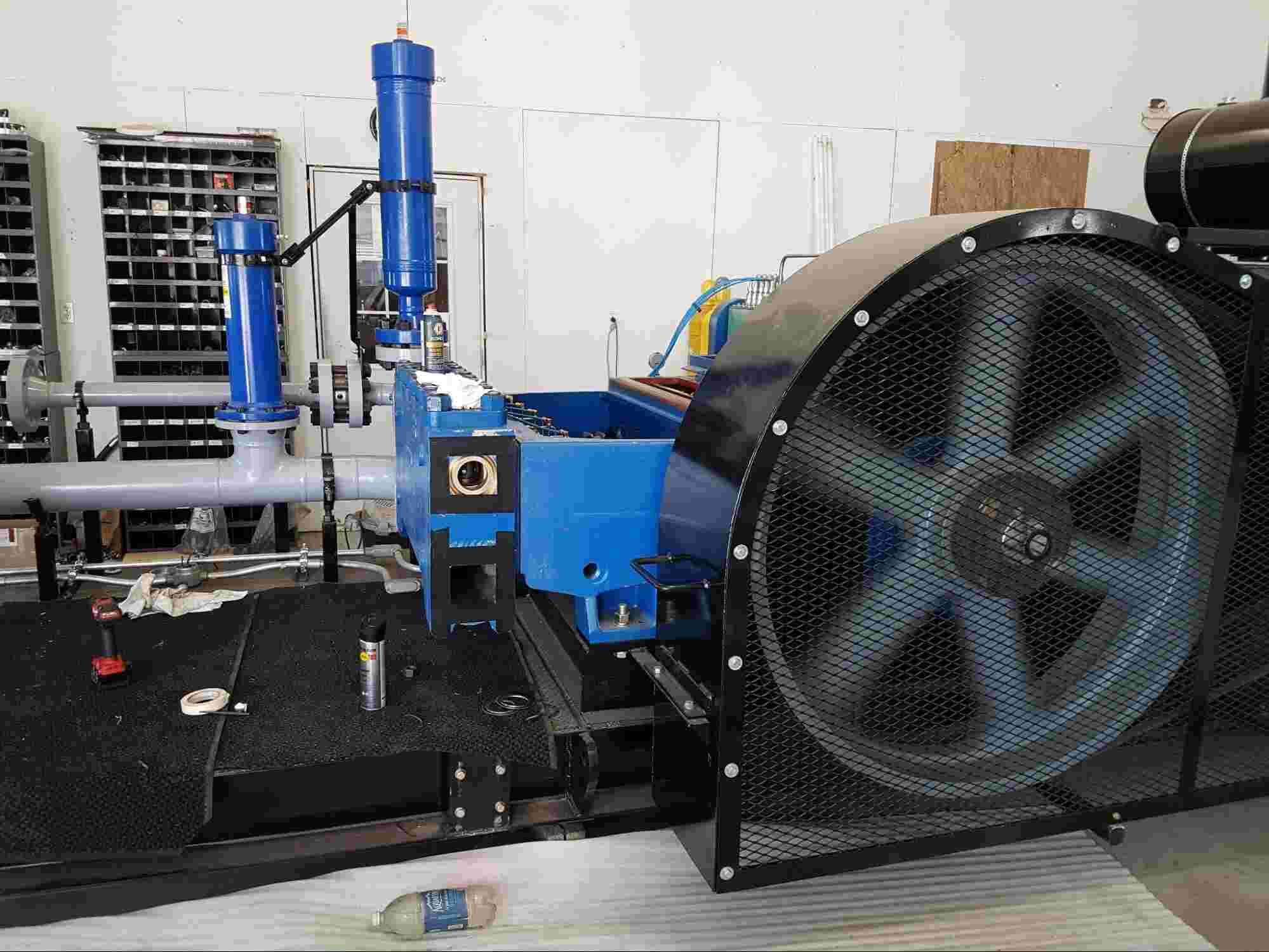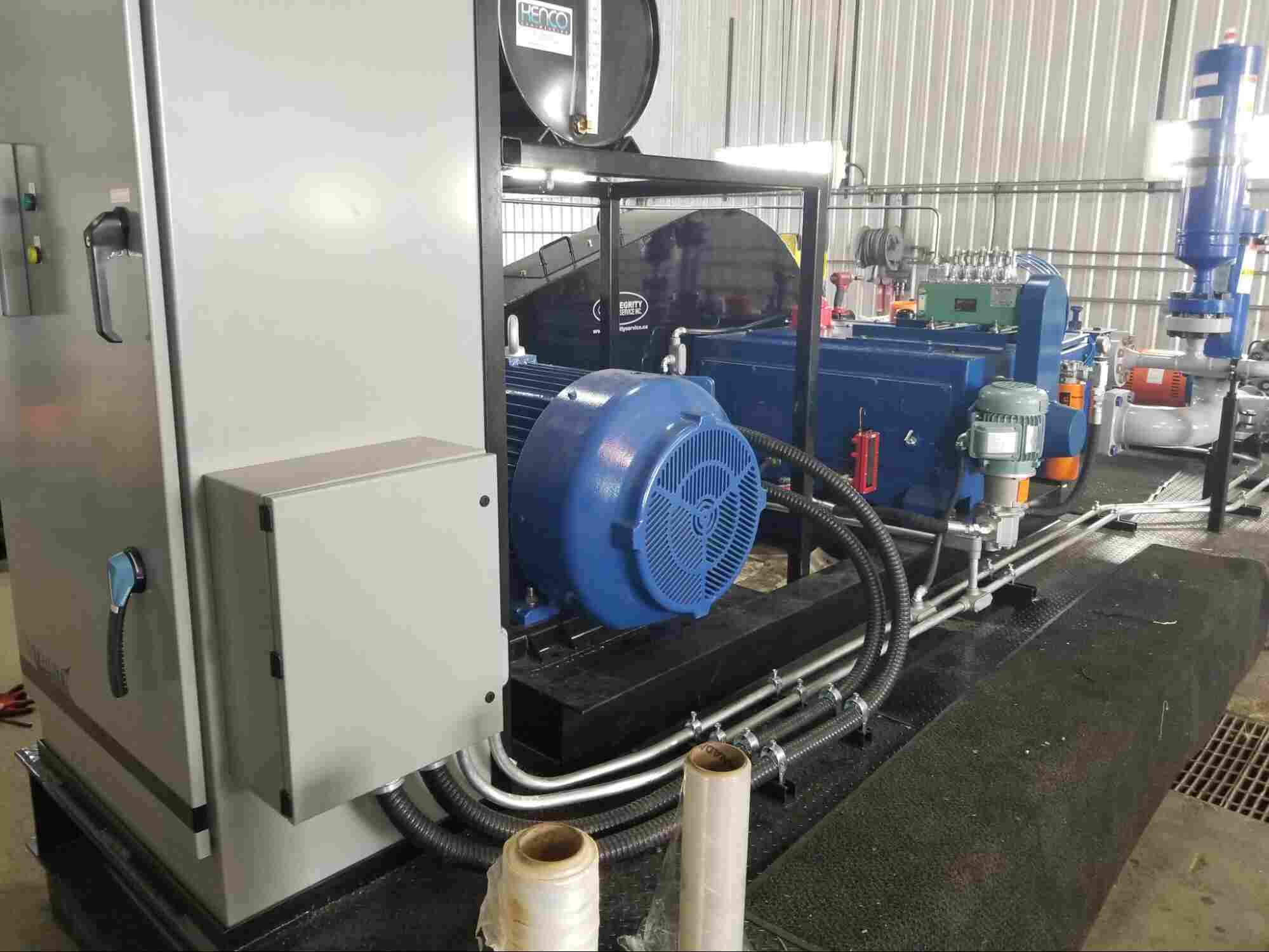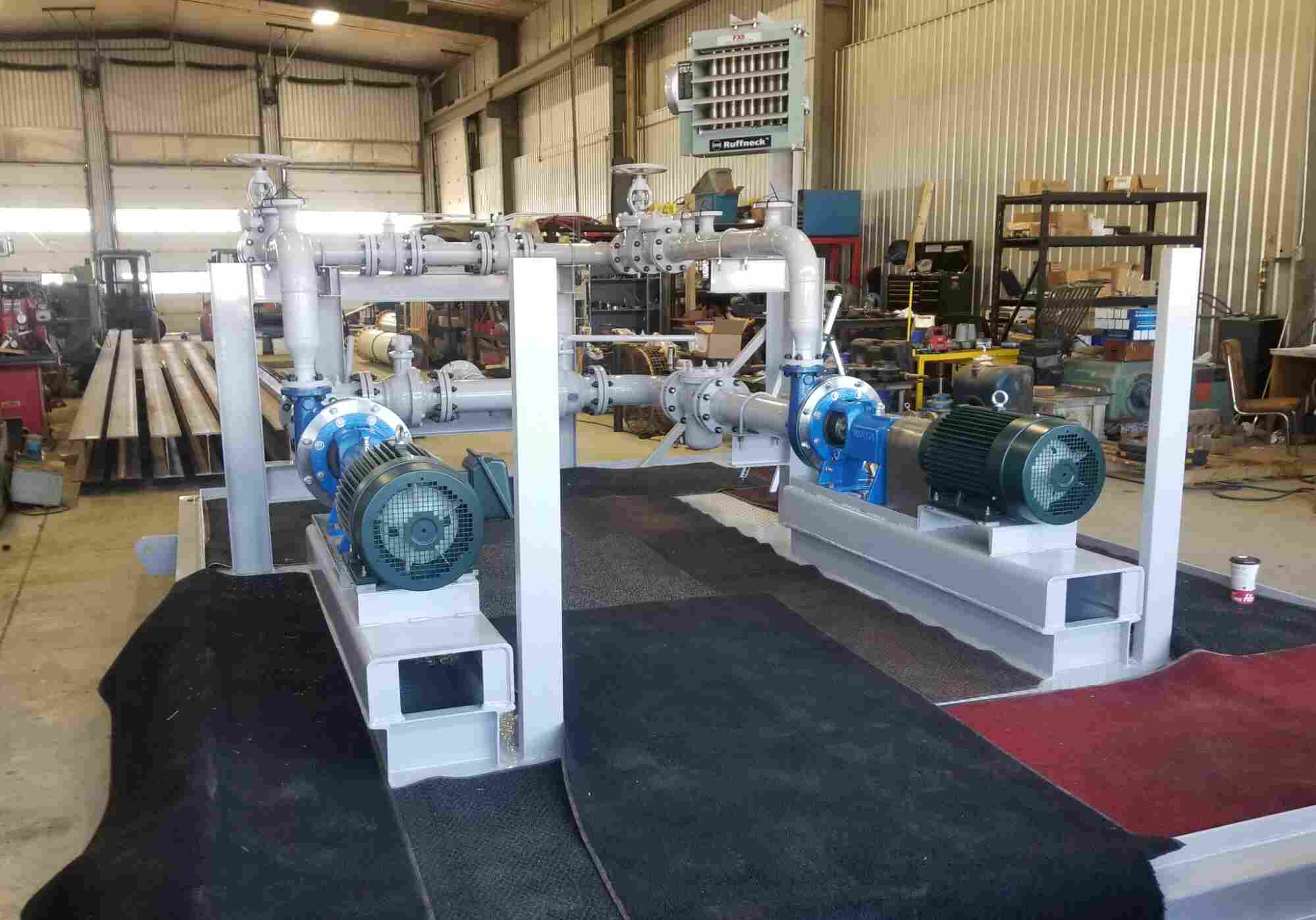

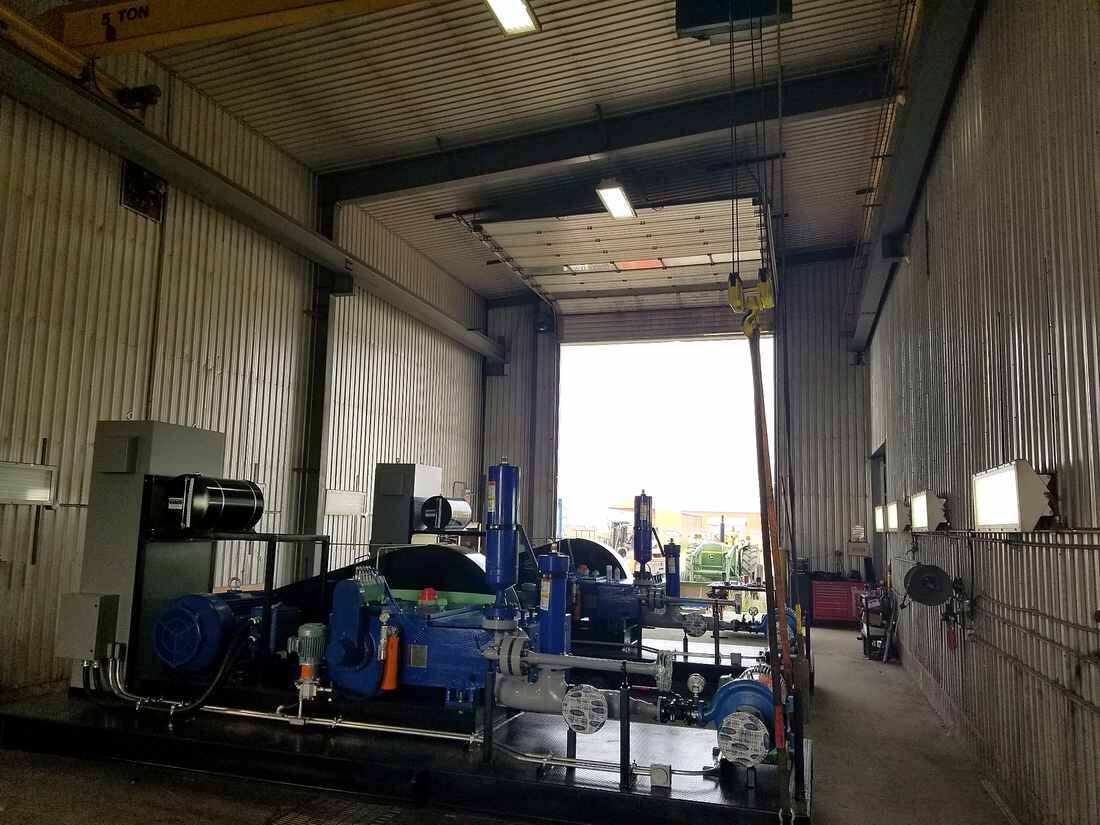
Chemical processing teams need pumps that move difficult fluids safely and consistently, without recurring leaks, unexpected shutdowns, or excessive maintenance. A reliable custom pump package starts with the realities of the process: what is being pumped, how conditions change, and what could go wrong. The pump, seals, piping, valves, controls, and support structure are then selected to work together.
When Does a Chemical Processing Application Need a Custom Pump Package?
A standard pump package is not inherently unreliable. A properly specified standard package may be suitable for chemical service. A custom package becomes useful when the fluid, site layout, containment needs, controls, or maintenance requirements call for a different configuration. A pump that meets the required flow rate can still experience problems if its materials, seals, or suction conditions are unsuitable. Custom design provides an opportunity to address those risks before installation, but does not eliminate them.
How Can Material Selection Reduce Corrosion and Premature Wear?
Chemical compatibility depends on the fluid’s composition and concentration, temperature, impurities, and operating conditions. Engineers must consider the entire wetted system, including casing, impeller, gaskets, elastomers, and seal components. Stainless steels, specialized alloys, and non-metallic materials may be suitable for different services, but none is universally compatible. Appropriate manufacturer guidance and application-specific review are essential, particularly when abrasive solids or changing process conditions are present. Good selection can reduce avoidable deterioration, but cannot guarantee that corrosion or wear will never occur.
Why Do Mechanical Seals Fail in Chemical Service?
Mechanical seals may fail because of incompatible materials, dry running, inadequate lubrication, heat, pressure changes, or operation beyond their design limits. Chemical leakage may create safety and environmental concerns. Depending on the fluid and containment requirements, engineers may consider single or dual seals, flushing or barrier systems, and monitoring. Dual seals are not universally necessary; the appropriate arrangement depends on the application and applicable requirements.
How Can Proper Pump Sizing Reduce the Risk of Downtime?
Pump selection requires the flow rate, total dynamic head, fluid properties, suction conditions, and expected operating range. For centrifugal pumps, engineers should assess the duty point against the manufacturer’s performance curve and recommended operating region. Available net positive suction head (NPSH) and an appropriate margin over the pump’s requirement are important considerations for reducing cavitation risk. Poor sizing or inadequate suction conditions can contribute to vibration, wear, and unnecessary energy use. Centrifugal pumps are appropriate for many, but not all, chemical transfer applications.
Piping, Valves, and Skid Design Work Together
The pump does not operate in isolation. Restrictive or poorly arranged suction piping can contribute to unstable flow. Piping loads may affect alignment, while inadequate structural support can increase vibration. A custom package considers piping layout, isolation and drain points, valve compatibility, instrument placement, and a suitably supported base as one system. It should also allow practical access to components that will need maintenance.
Controls and Instrumentation Support Reliable Operation
Useful monitoring depends on the process. Pressure, temperature, flow, vibration, and motor data may help operators identify abnormal conditions before equipment is damaged. Protective functions can include dry-run safeguards, low-flow protection, or automatic shutdowns where justified. The goal is not to add as many sensors as possible. It is to give operators meaningful information and appropriate protection against the most credible failure scenarios.
What Inspection and Testing Should Be Specified Before Commissioning?
Inspection and testing requirements should be established for each package. Depending on the design and project specification, checks may include alignment, piping integrity, electrical connections, control functions, instrumentation, and mechanical operation. Pressure testing or hydraulic performance testing may be required for certain applications. Not all testing applies to every package, and no particular test should be attributed to Integrity Pump Service without confirmation.
Maintenance Accessibility Supports Long-Term Reliability
Reliability includes the ability to maintain equipment without unnecessary disruption. Access to seals and bearings, adequate removal clearances, practical isolation points, and appropriate lifting provisions all matter. These details are especially important in continuous chemical processing, where a repair that takes longer than expected can affect production schedules.
At Integrity Pump Service, we understand that reliable pumping starts with choosing equipment suited to the application. Our pump package design and turnkey package services, supported by pump maintenance, laser alignment, and vibration analysis, help customers address equipment requirements beyond the pump itself. If you are planning a new chemical processing installation or reviewing an existing pumping system, contact our team to discuss the fluid, operating conditions, and package requirements so the appropriate options can be evaluated.