
Article Overview
A custom pump package for water and wastewater systems brings the pump, motor, piping, valves, controls, instrumentation, and structural base together as one coordinated system. Municipal water supply, sewage transport, drainage, and distribution applications each create different hydraulic and mechanical demands. This article explains how package design should account for flow, solids handling, corrosion, controls, maintenance access, and long term reliability.
What Does A Water And Wastewater Pump Package Include?
A pump package should be designed around the operating conditions rather than built from a standard arrangement and adapted later. Flow rate, total dynamic head, liquid characteristics, solids content, suction conditions, operating range, installation location, and required redundancy all affect component selection.
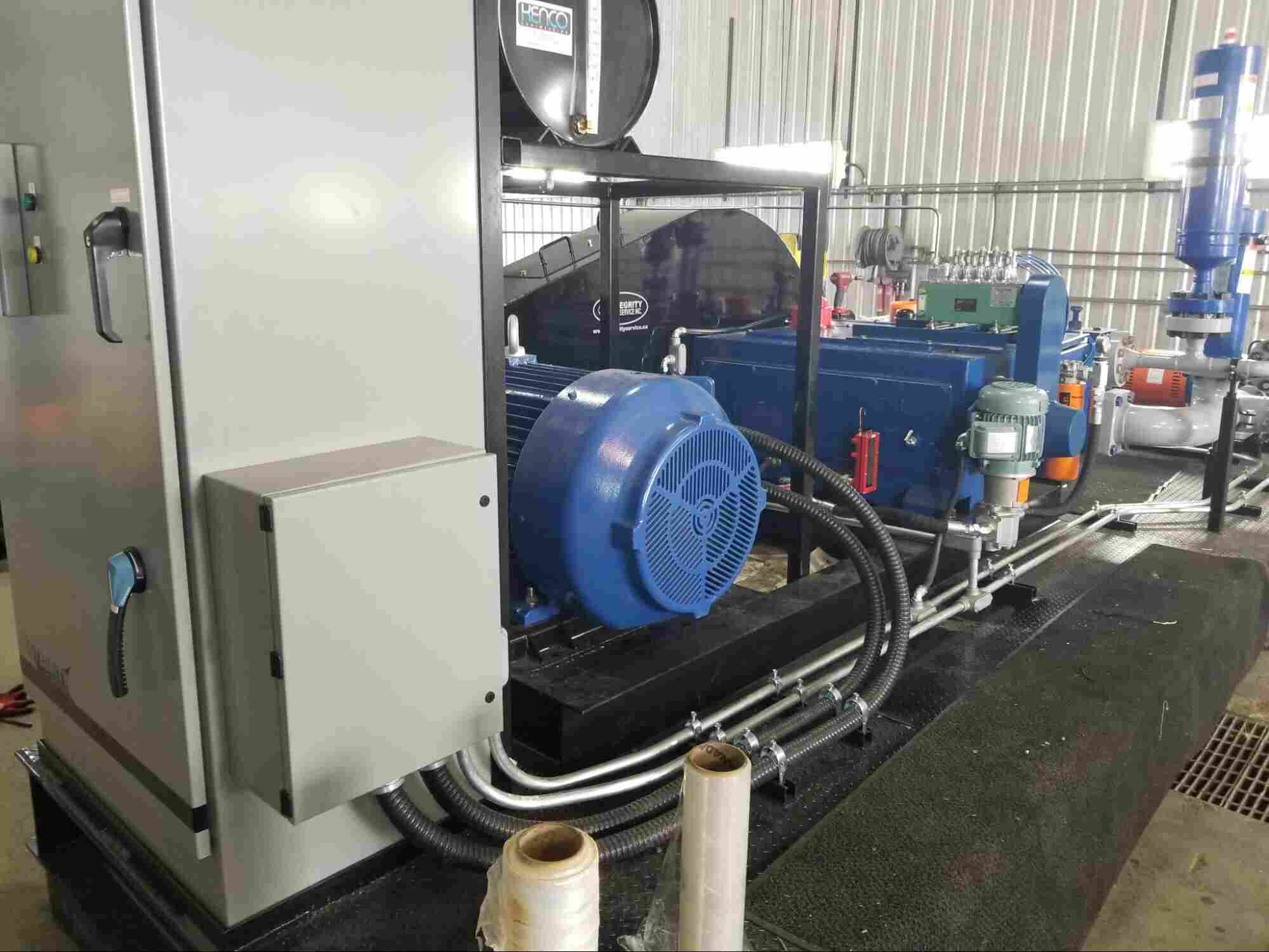
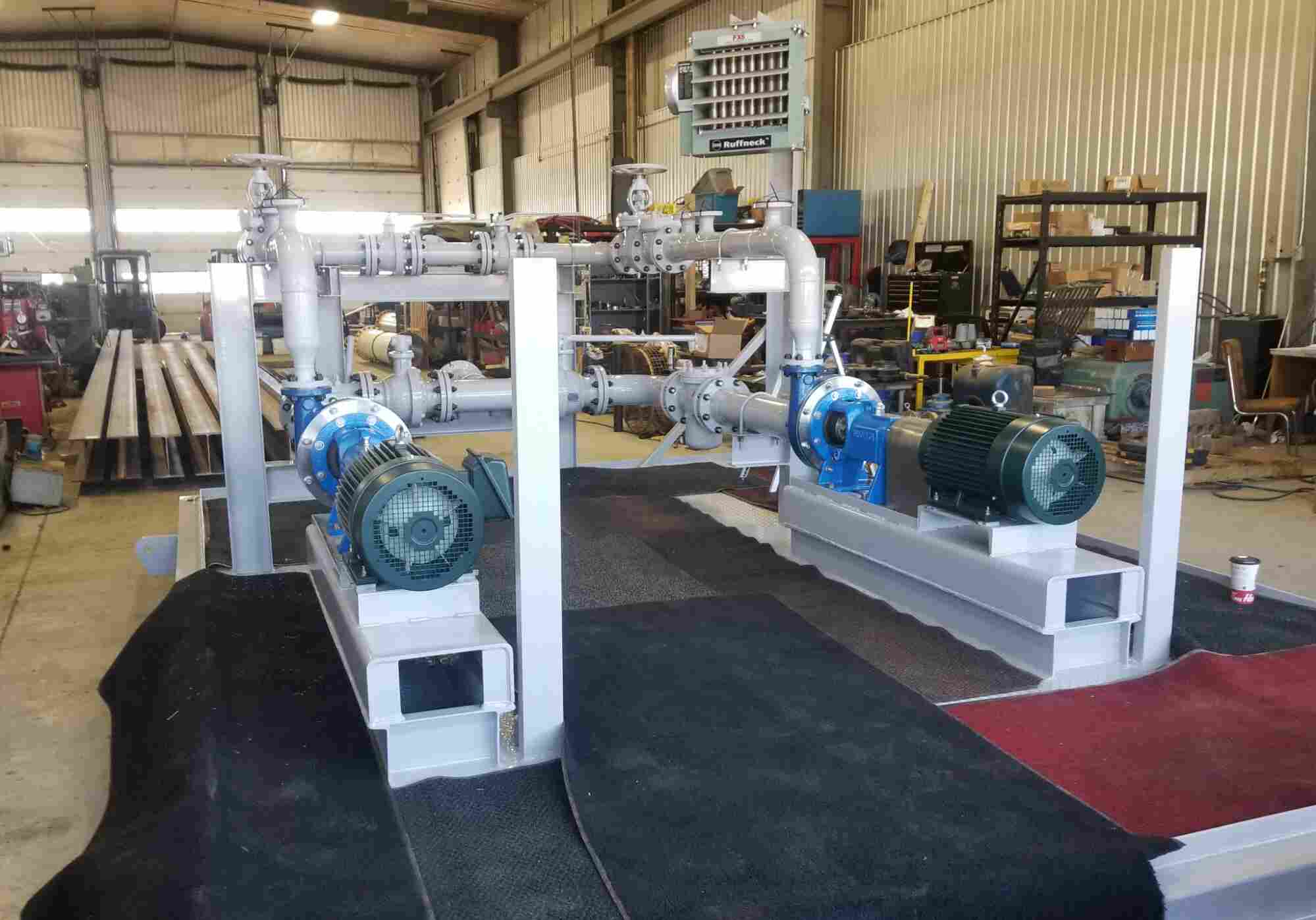
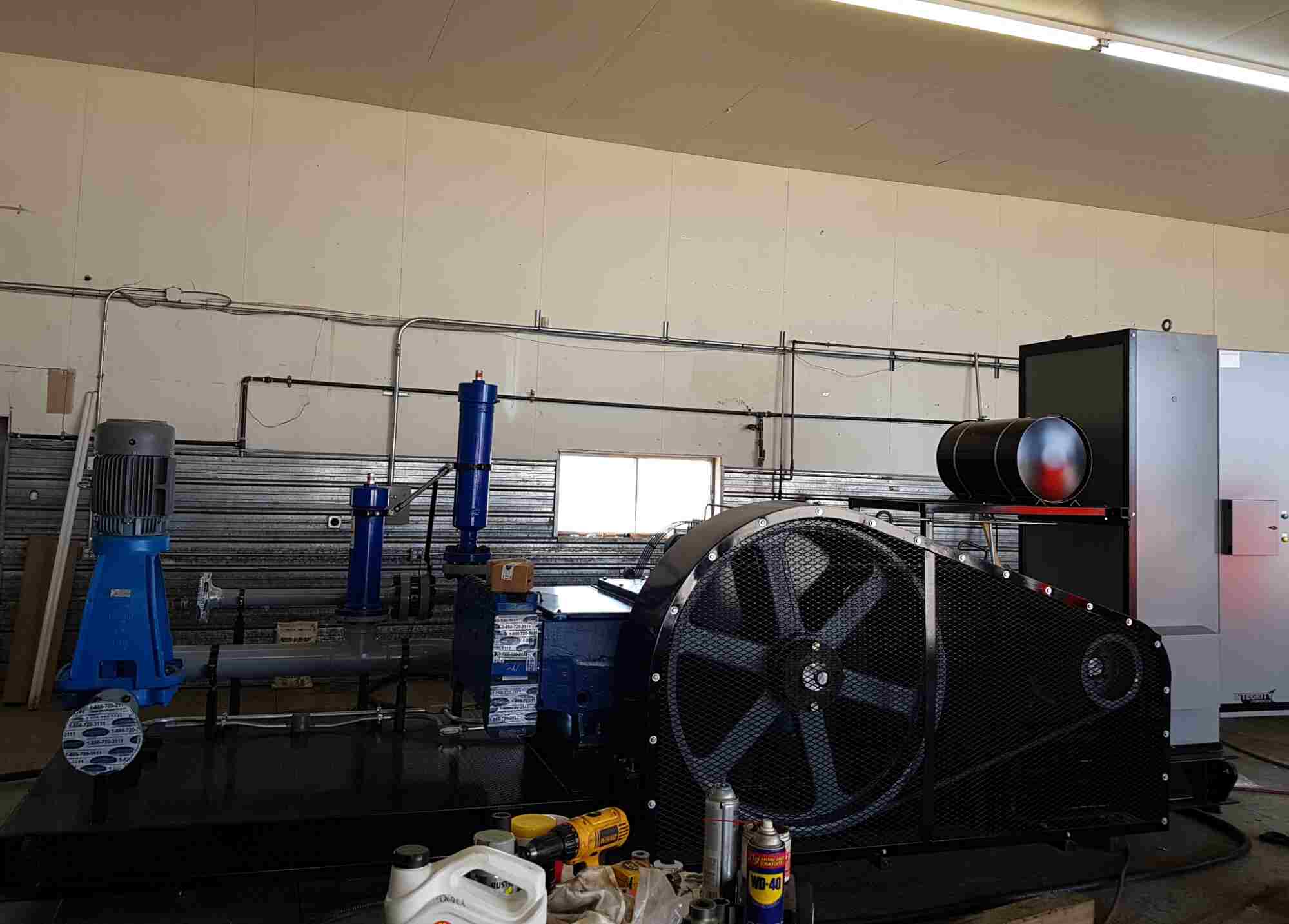
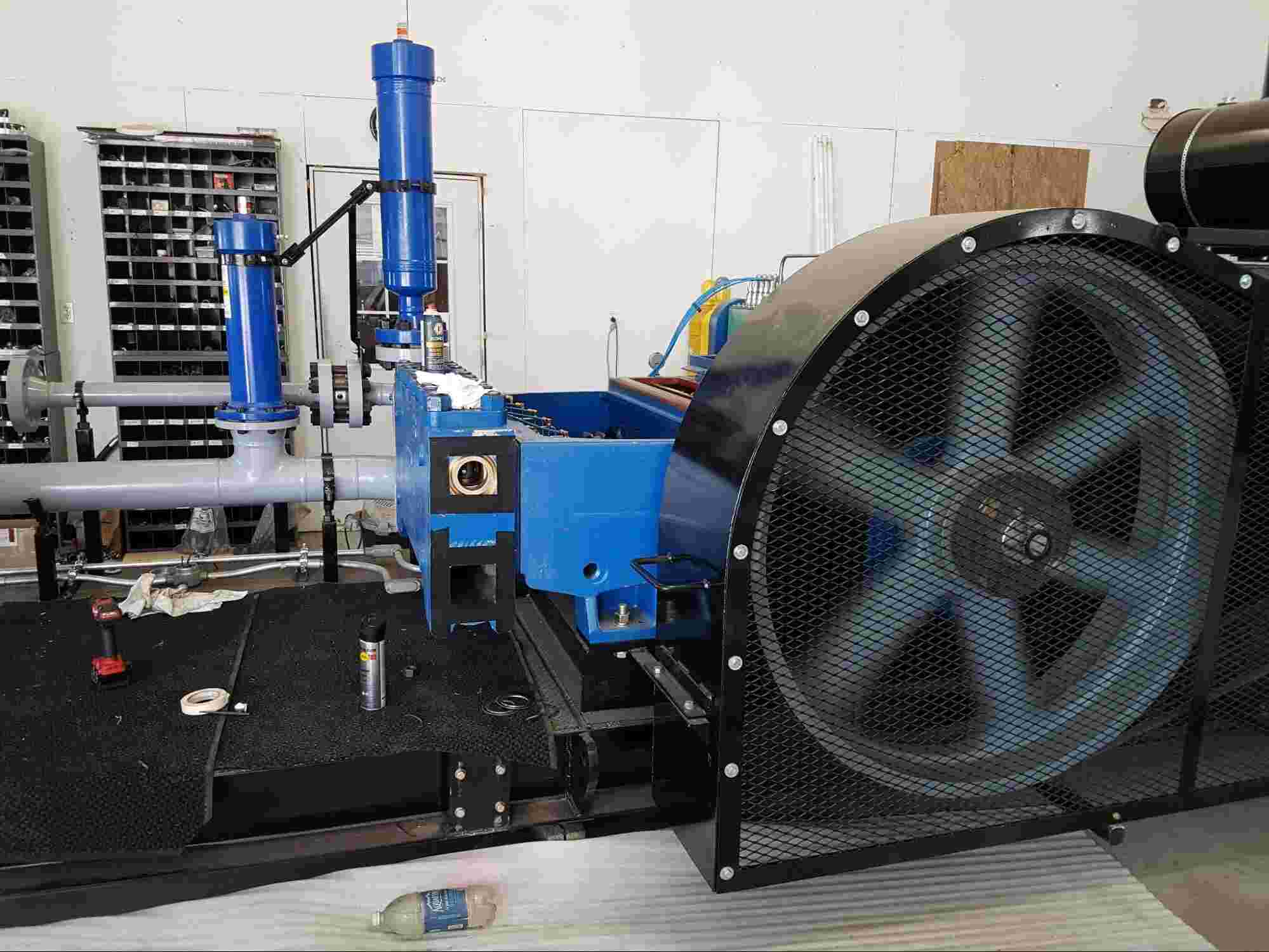
When pump skids are explained in practical terms, the skid is more than a structure supporting the pump. It creates the foundation that keeps the pump, driver, piping, valves, instrumentation, and controls correctly positioned while providing access for installation and service.
A typical water or wastewater package may include:
- Pump and correctly sized motor
- Structural skid or baseplate
- Suction and discharge piping
- Isolation, check, and control valves
- Instrumentation and pressure protection
- Electrical controls and monitoring equipment
- Coupling, guarding, and alignment provisions
- Lifting points and maintenance access
Pump package design, sales, and rentals can support applications where the pump, motor, piping, valves, controls, and structural base need to function as one coordinated system. Designing these components together helps account for equipment spacing, piping loads, alignment requirements, valve access, and maintenance clearances before the package reaches the field.
This coordinated approach can reduce the need for field modifications, simplify installation and commissioning, and make future inspection and servicing more practical. It also helps ensure that the package is built around the actual operating conditions rather than assembled from individual components that may not work together as effectively.
Solids Handling Starts With Pump And Piping Selection
Wastewater systems may carry suspended solids, fibrous material, sediment, or other debris that clean water systems do not encounter. Pump selection, passage size, impeller configuration, piping velocity, valve type, and suction arrangement must therefore reflect the actual fluid.
A pump that performs properly with clean water may experience plugging, excessive wear, or reduced capacity when applied to a solids laden stream without sufficient consideration of these conditions.
The same principle applies to drainage and sewage lift applications where flow can vary significantly. The package must remain hydraulically stable as operating conditions change rather than simply meeting one design point.
How Should Corrosion Resistance Be Addressed?
Material selection depends on water chemistry, temperature, contaminants, exposure conditions, and expected service life. Pump casings, impellers, shafts, fasteners, piping, and valves may require different materials or protective coatings depending on the application.
Corrosion should also be considered when designing the skid itself. Standing water, chemical exposure, and outdoor installation can deteriorate structural components and fasteners if drainage and surface protection are overlooked.
Material decisions made during package design can reduce premature component deterioration and make maintenance intervals more predictable.
Controls Must Match Changing System Demand
Municipal pumping systems rarely operate at one fixed condition. Water demand changes throughout the day, wet well levels rise and fall, and distribution pressure can vary as other equipment enters or leaves service.
Controls may use level signals, pressure switches, transmitters, flow measurement, or variable frequency drives to adjust pump operation. Alarm points and shutdown protection should also address conditions such as low suction pressure, high discharge pressure, motor overload, or abnormal operating levels.
For systems where hydraulic instability is a concern, our article What Causes Centrifugal Pump Cavitation And How To Prevent It explains how suction conditions, NPSH, and system design affect pump reliability. Reviewing these factors during package design can help prevent vibration and impeller damage after startup.
Maintenance Access Is Part Of The Package Design
Serviceability should be planned before fabrication. Technicians need sufficient space to inspect seals and bearings, remove guards, access couplings, operate valves, and remove rotating components without dismantling unrelated parts of the package.
Consider a wastewater station where a seal requires replacement but nearby piping prevents the pump from being pulled without cutting and rebuilding a section of pipe. The pump itself may be suitable, yet poor package layout turns a routine repair into extended downtime. Providing withdrawal space and service access during design avoids that problem.
Base rigidity also matters because movement can affect coupling alignment. Laser alignment services support accurate pump and motor positioning, which helps reduce bearing, coupling, and seal loading after assembly and installation.
Read the article Centrifugal Pump Alignment Procedure: Why Precision Matters for additional information on how base condition, piping loads, and shaft alignment influence vibration and component life.
Custom Pump Packages Support Long Term Reliability
A custom pump package for water and wastewater systems should treat the pump, piping, valves, controls, instrumentation, and base as one operating system. Solids characteristics influence pump selection, water chemistry affects materials, changing demand determines control requirements, and maintenance needs influence the physical layout.
Reviewing these factors before fabrication reduces the likelihood of field modifications, difficult servicing, unstable operation, and recurring mechanical problems. The result is a package that is better prepared for the operating conditions it will face throughout its service life.
For municipal or industrial teams planning a new water or wastewater pumping system, contact Integrity Pump Service Inc. to discuss the application, operating requirements, and package design.