

Article Overview
A centrifugal pump alignment procedure is one of the most important steps in protecting pump performance after installation, repair, or packaging. Even the correct pump can develop vibration, bearing stress, seal wear, and coupling problems if the pump and motor shafts are misaligned. This article explains alignment fundamentals, misalignment risks, laser alignment, bearing life, vibration reduction, and packaging precision.
What Is A Centrifugal Pump Alignment Procedure?
A centrifugal pump alignment procedure is the process of positioning pump and driver so their shafts operate on the same intended centerline. The goal is not only to make the coupling fit. The goal is to reduce angular and parallel offset so the equipment runs smoothly under real operating conditions.
Alignment is typically completed after the pump and motor are mounted, piping is connected, and the base is checked. It should also be reviewed after startup when required, because pipe strain, thermal growth, foundation movement, or installation changes can shift the equipment.
Why Does Misalignment Damage Centrifugal Pumps?
Misalignment creates mechanical stress through the coupling, shaft, bearings, seals, and casing. Instead of rotating smoothly, the equipment operates with extra load and uneven movement. Over time, that stress becomes heat, vibration, wear, and downtime.
Common results of poor centrifugal pump alignment include:
● Higher vibration during operation
● Shorter bearing and seal life
● Coupling wear and premature insert failure
● Increased shaft deflection
● Higher energy use from inefficient operation
● Repeat repairs that do not solve the root cause
These problems are often misdiagnosed. A bearing may be replaced, or a seal may be repaired, but the same failure returns because the alignment issue remains. Alignment should be treated as a reliability step, not only an installation task.
How Does Laser Alignment Improve Accuracy?
Laser alignment improves the centrifugal pump alignment procedure by measuring shaft position more accurately than traditional straightedge methods. A laser system helps identify angular and offset misalignment, calculate corrections, and confirm final results after shimming and movement.
Small errors can create large effects at operating speed. Pumps often run for long periods, and minor misalignment can shorten component life when multiplied over thousands of operating hours. Laser alignment also improves consistency because technicians can document readings and verify required tolerances.
What Alignment Tolerances Should Be Considered?
Alignment tolerances depend on equipment speed, coupling type, temperature, manufacturer requirements, and site standards. Higher speed equipment usually requires tighter tolerances because small errors create greater dynamic forces.
A practical review should consider cold alignment, operating temperature, and thermal growth. A pump and motor may be aligned at ambient temperature but shift as the system heats up. Some applications require a calculated cold offset so the equipment reaches the correct position once running.
How Does Alignment Affect Bearing Life And Vibration?
Bearing life depends on load, lubrication, speed, and shaft condition. Misalignment increases bearing load and can create vibration patterns that accelerate wear. Vibration can also loosen fasteners, damage couplings, affect seals, and fatigue nearby components.
Vibration can also be linked to cavitation, imbalance, pipe strain, or hydraulic instability, so troubleshooting should review the full system. For more context, read our article How Does a Centrifugal Pump Work in Industrial Applications? to understand the basic pump operating principle and help maintenance teams separate alignment-related vibration from hydraulic or system-design problems.
If the issue may involve pump selection, our article Centrifugal Pump vs Positive Displacement Pump explains how pump type affects flow, pressure, and system behaviour.
Why Does Pump Packaging Precision Matter?
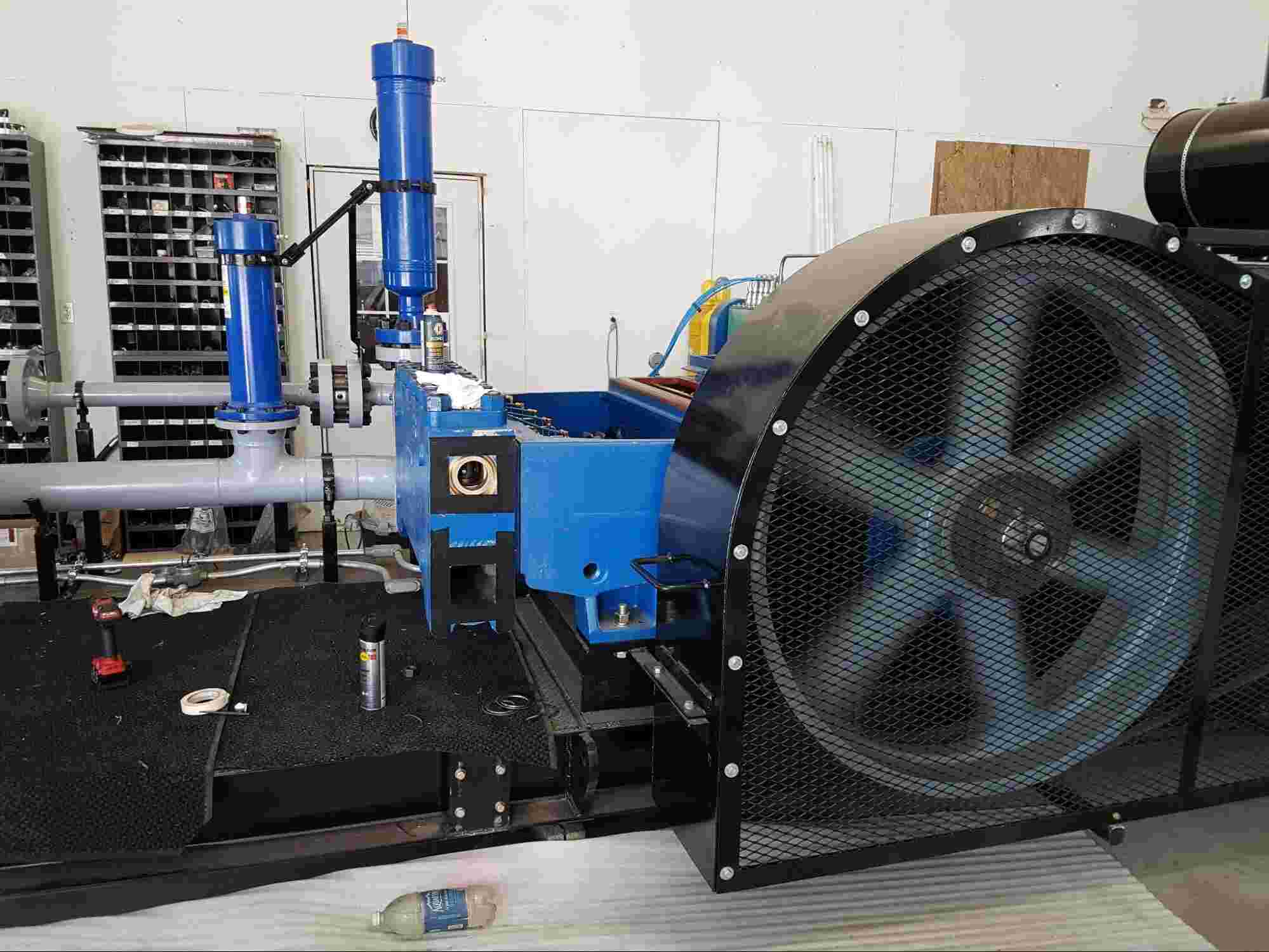
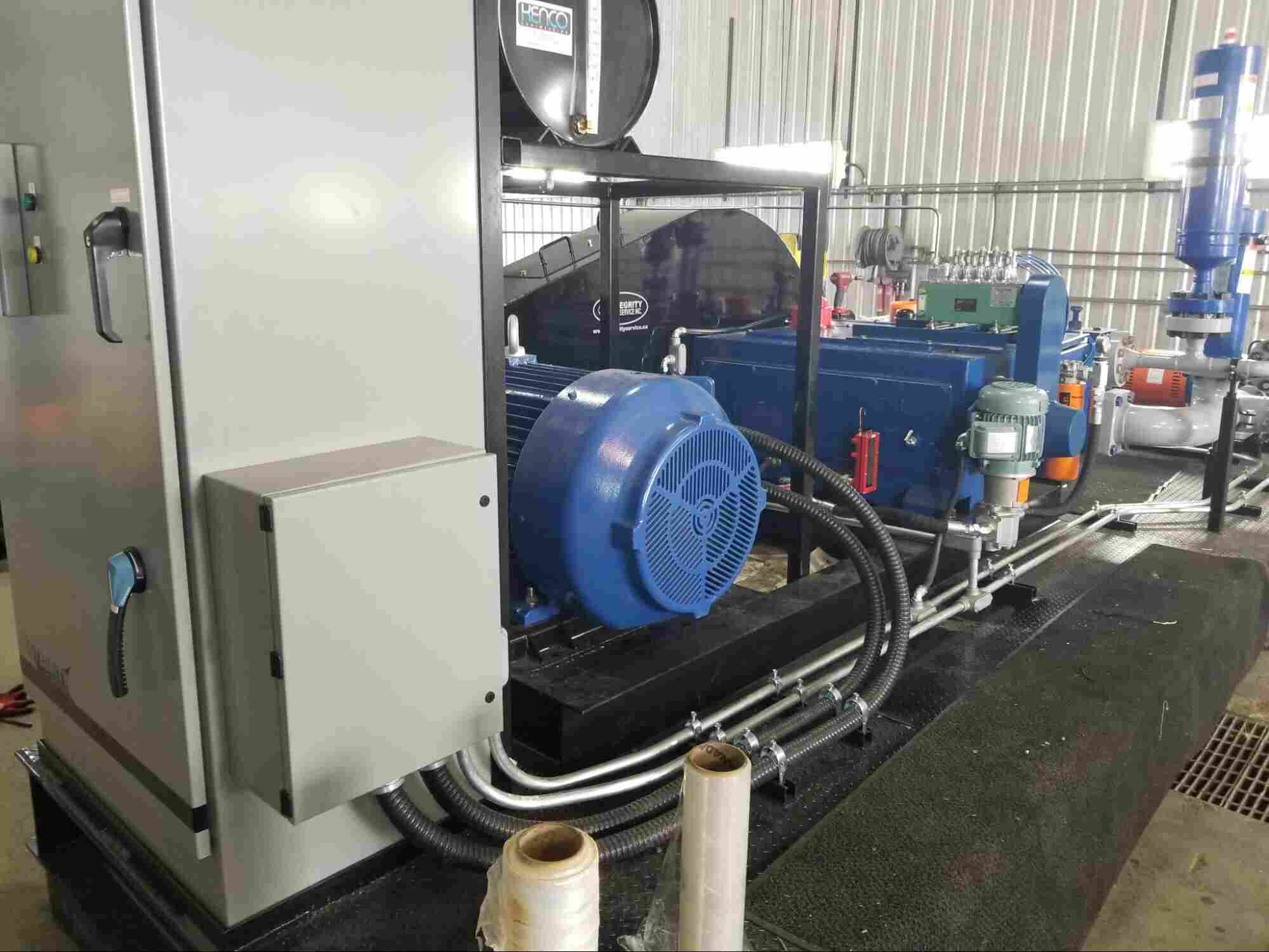
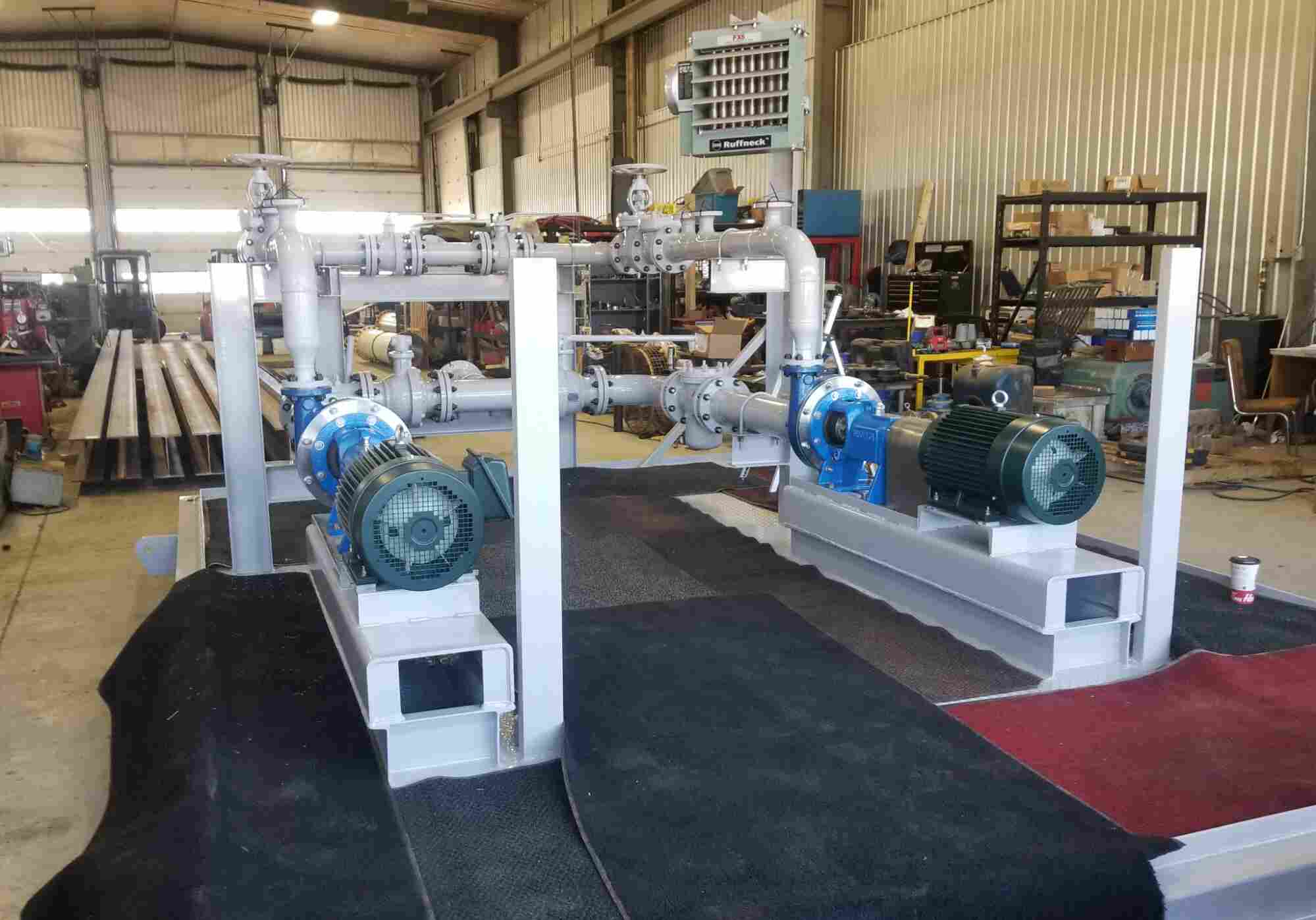
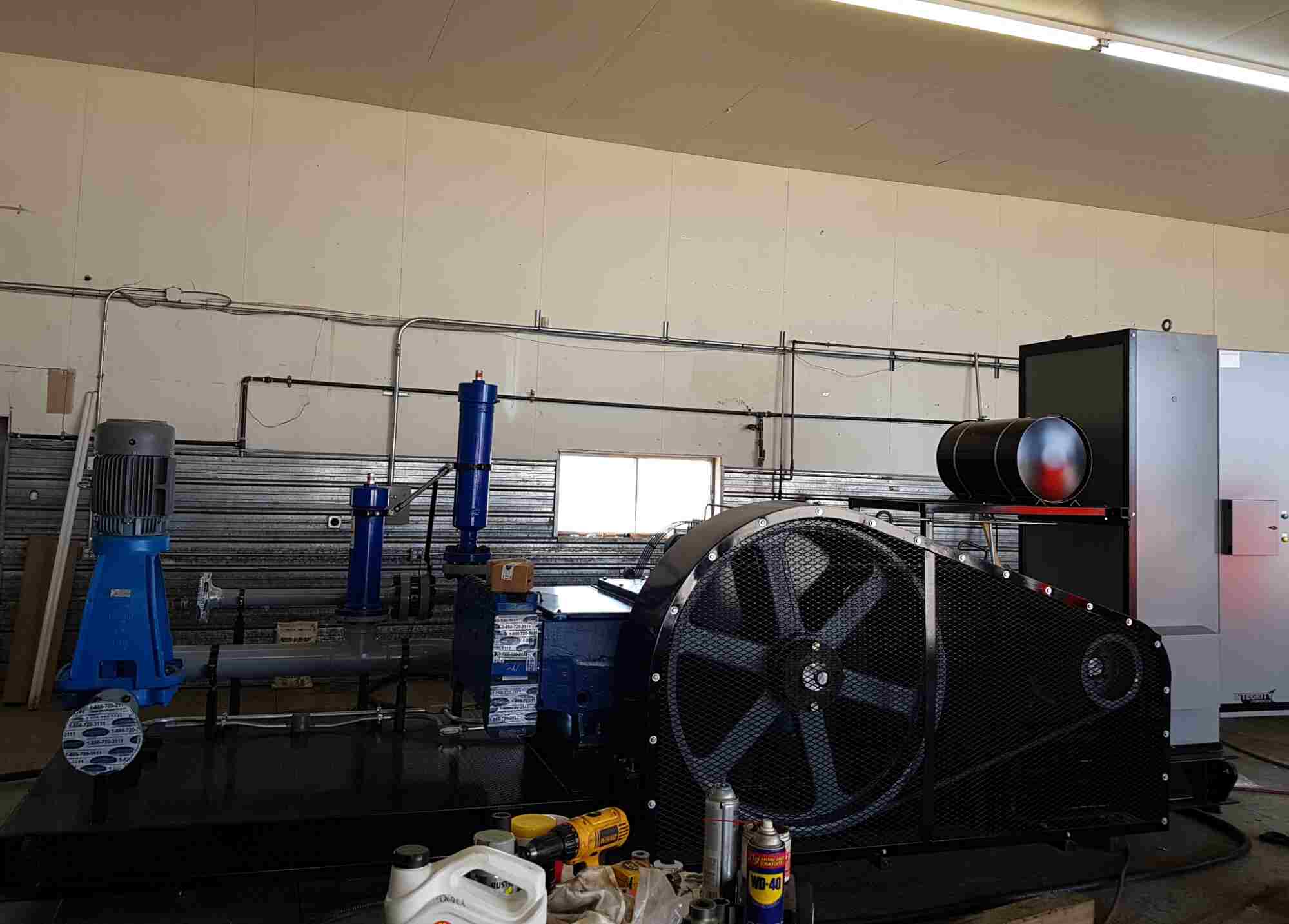
Pump packaging has a direct impact on alignment quality. A properly designed package gives the pump and motor a stable base, correct spacing, practical access, and a cleaner installation path. Poor packaging can make alignment harder to complete and harder to maintain after startup.
For packaged pump systems, alignment should be considered during design and assembly rather than left entirely to field adjustment. When pumps, motors, piping, valves, and controls are planned as one coordinated assembly, there is less room for field modification and fewer alignment problems. This is why pump package design, sales, and rentals should account for alignment access, base stability, and serviceability from the beginning.
Why Should Alignment Be Supported By In-House Services?
Alignment works best when supported by the right repair and diagnostic capabilities. If vibration, worn fits, damaged components, or base problems are present, alignment alone may not solve the issue. The equipment may also require machining, balancing, coupling review, bearing inspection, or vibration analysis.
In-house services such as laser alignment, machining, balancing, and vibration analysis help maintenance teams look beyond the visible symptom. This is useful when a pump has repeated failures or when alignment problems are connected to fit-up, rotating assembly condition, or base issues.
How Does Precision Alignment Improve Long Term Performance?
Precision alignment helps centrifugal pumps run with less vibration, lower mechanical stress, and better component life. It protects the investment already made in pump selection, repair, packaging, and installation.
A centrifugal pump alignment procedure should not be rushed or treated as a final box to check before startup. It affects bearing life, seal performance, coupling reliability, energy use, and overall equipment longevity.
If you are dealing with recurring vibration or alignment issues, our specialists can review your system and recommend practical steps to improve reliability and reduce downtime. Use the form below to contact Integrity Pump Service Inc. and discuss your system requirements.
Contact Form