
Article Overview
Choosing between a centrifugal pump vs positive displacement pump is one of the most important decisions in pump system design. The right choice affects flow control, pressure performance, viscosity handling, maintenance demands, and long term operating cost. This article explains how each pump type works, where each performs best, and why choosing the correct pump type should happen before a pump package is designed.
What Is The Main Difference Between A Centrifugal Pump Vs Positive Displacement Pump?
The main difference in a centrifugal pump vs positive displacement pump is how each pump creates flow.
A centrifugal pump uses a rotating impeller to increase fluid velocity and convert that velocity into pressure. A positive displacement pump works differently. It traps a fixed amount of liquid and pushes it through the system during each cycle or rotation.
In practical terms, centrifugal pumps are usually better suited for higher flow applications with lower viscosity fluids. Positive displacement pumps are often preferred when the system requires controlled flow, higher viscosity handling, or more stable output under changing pressure conditions.
Read our article How Does A Centrifugal Pump Work In Industrial Applications? for a broader understanding of the centrifugal pump working principle in practical terms.
How Do Flow And Pressure Behave Differently?
A centrifugal pump follows a performance curve. As system resistance increases, flow decreases. If the system head or piping conditions are misjudged, the pump may operate inefficiently or deliver less flow than expected.
A positive displacement pump behaves differently. Because it moves a fixed volume per cycle, it continues to deliver nearly the same flow even as discharge pressure changes, up to the limits of the system. This is useful in applications where steady output matters more than variable flow.
This difference also affects system design. Positive displacement pumps often require relief protection and more deliberate control planning, while centrifugal systems depend heavily on proper curve matching.
Why Does Fluid Viscosity Matter So Much?
Fluid viscosity is often the deciding factor when choosing between a centrifugal pump vs positive displacement pump.
Centrifugal pumps generally perform best with low viscosity liquids. As viscosity increases, hydraulic losses rise and pump efficiency can drop. That can affect flow, power draw, and long term reliability. For water transfer, circulation, and other clean liquid services, a centrifugal pump is often the practical choice.
Positive displacement pumps are usually more effective with viscous fluids because they move liquid by mechanical displacement rather than by imparting velocity. This makes them a common choice for oils, sludge, chemicals, food products, polymers, and dosing applications where flow consistency is important.
When Is A Centrifugal Pump The Right Choice?
A centrifugal pump is usually the right choice when the application involves relatively clean, low viscosity fluid and a need for moderate to high flow rates.
These pumps are widely used in industrial and municipal systems because they are mechanically simple, compact, and practical for many general service applications. Common uses include water transfer, process circulation, cooling systems, and booster service where continuous flow is more important than fixed displacement.
If the application calls for a centrifugal pump, the next step is selecting the right configuration. For more information, our article Types of Centrifugal Pumps and How to Choose the Right Configuration explains how end suction, split case, multistage, vertical turbine, and inline pumps fit different operating conditions.
When Is A Positive Displacement Pump The Better Choice?
A positive displacement pump is usually the better choice when the process depends on fixed flow delivery, thicker fluids, or pressure conditions that would make centrifugal performance less predictable.
These pumps are commonly used where accurate flow control matters, where suction conditions are difficult, or where the process fluid must be moved without excessive shear. In many industrial environments, that makes them well suited for metering, chemical injection, and transfer of viscous products.
What Should Be Reviewed Before Choosing The Pump Type?
Before finalizing the centrifugal pump vs positive displacement pump decision, the system should be reviewed as a whole.
Key factors include:
● Required flow rate and pressure
● Fluid viscosity and solids content
● Suction conditions and piping layout
● Process control requirements
● Maintenance access and service conditionss
This evaluation helps avoid one of the most common pump selection mistakes, choosing a pump based on familiarity rather than operating requirements. A pump may appear suitable on paper but still create vibration, seal failures, poor efficiency, or repeated maintenance if it does not match the real duty.
Why Should Pump Type Be Chosen Before A Pump Package Is Designed?
Pump package design should follow pump selection, not the other way around.
Motor sizing, controls, piping arrangement, valve selection, relief protection, and maintenance access all depend on the pump’s operating characteristics. If the wrong pump type is chosen first, the finished package may be harder to commission, less reliable in service, and more expensive to maintain.
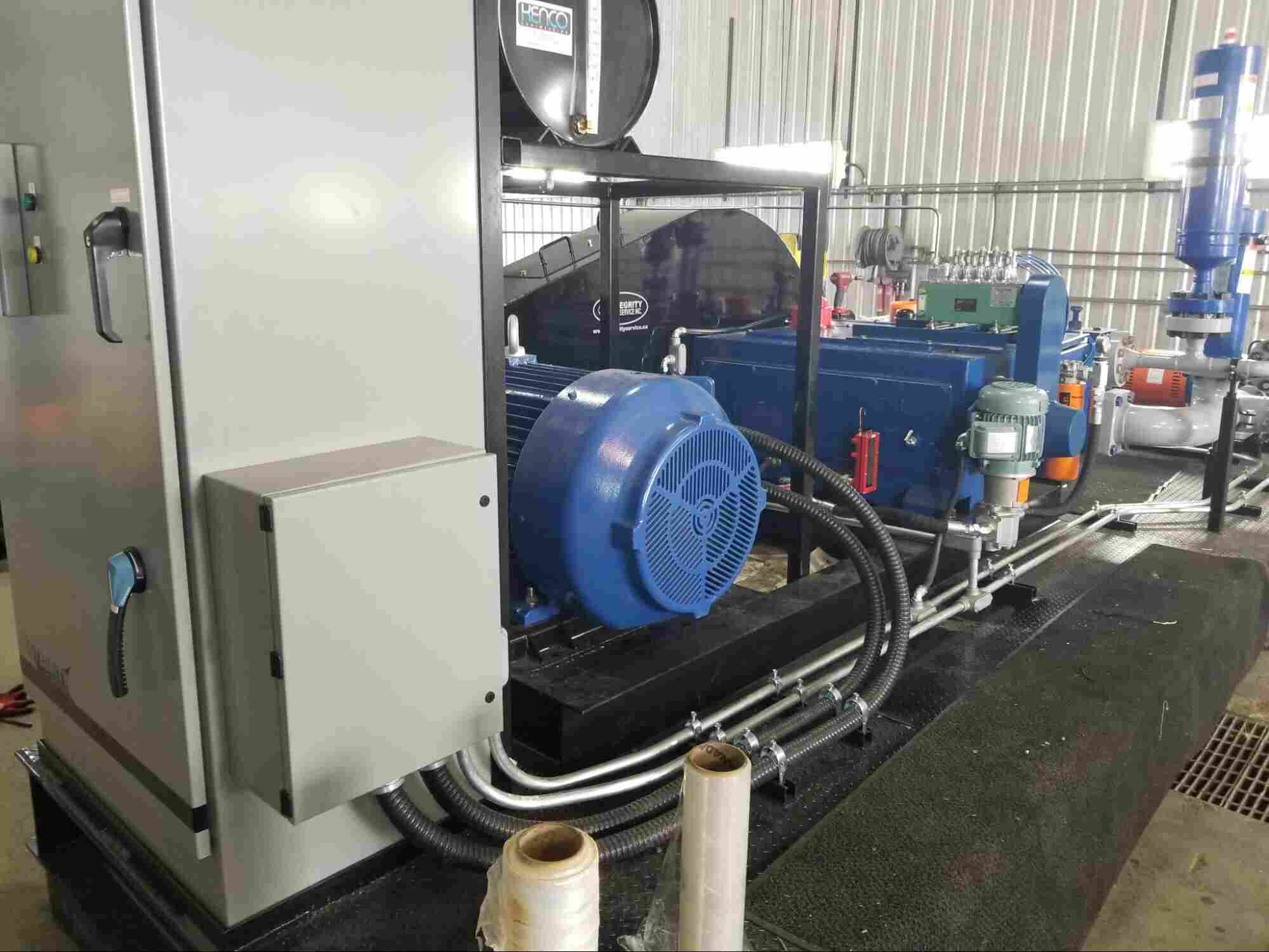
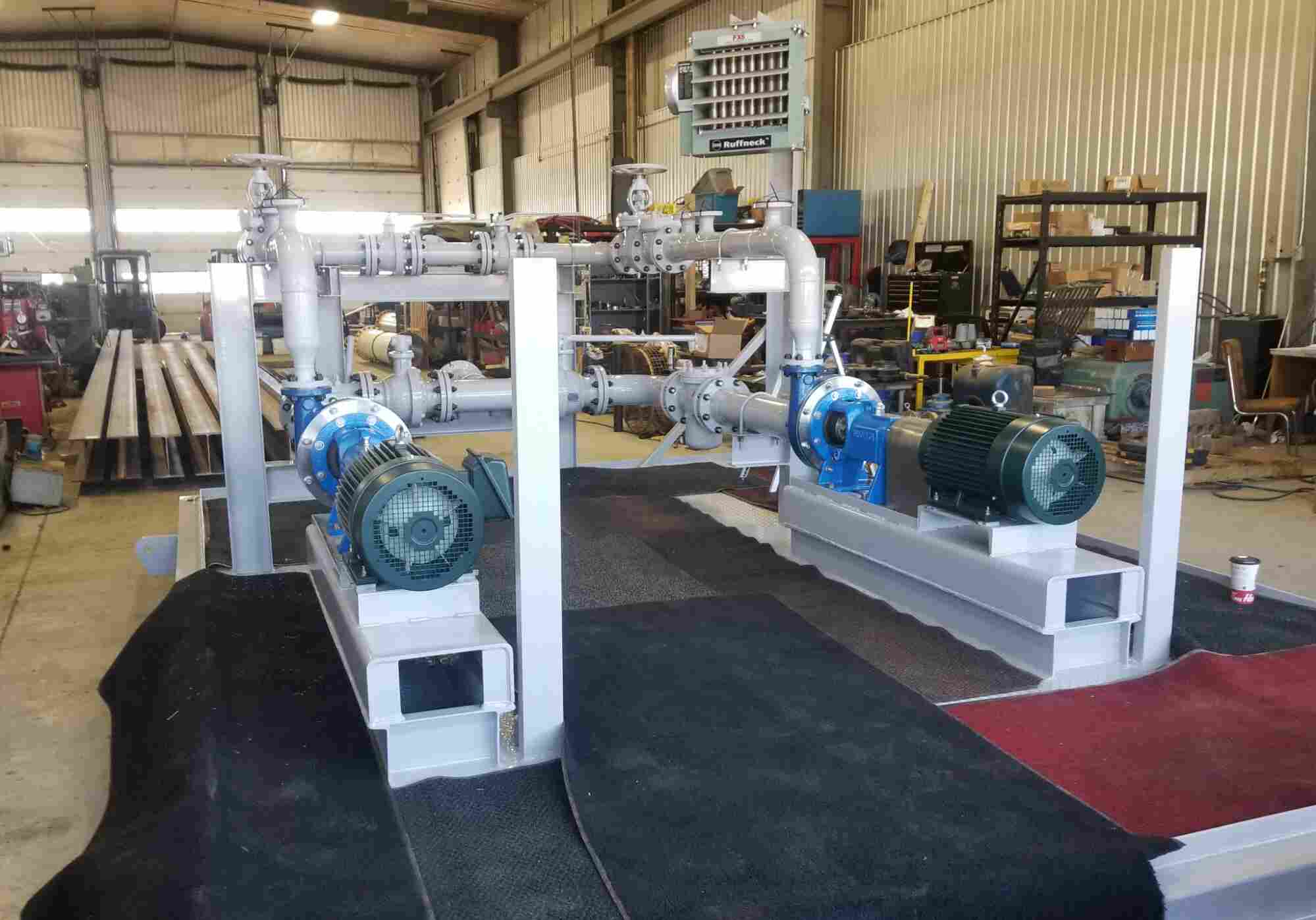
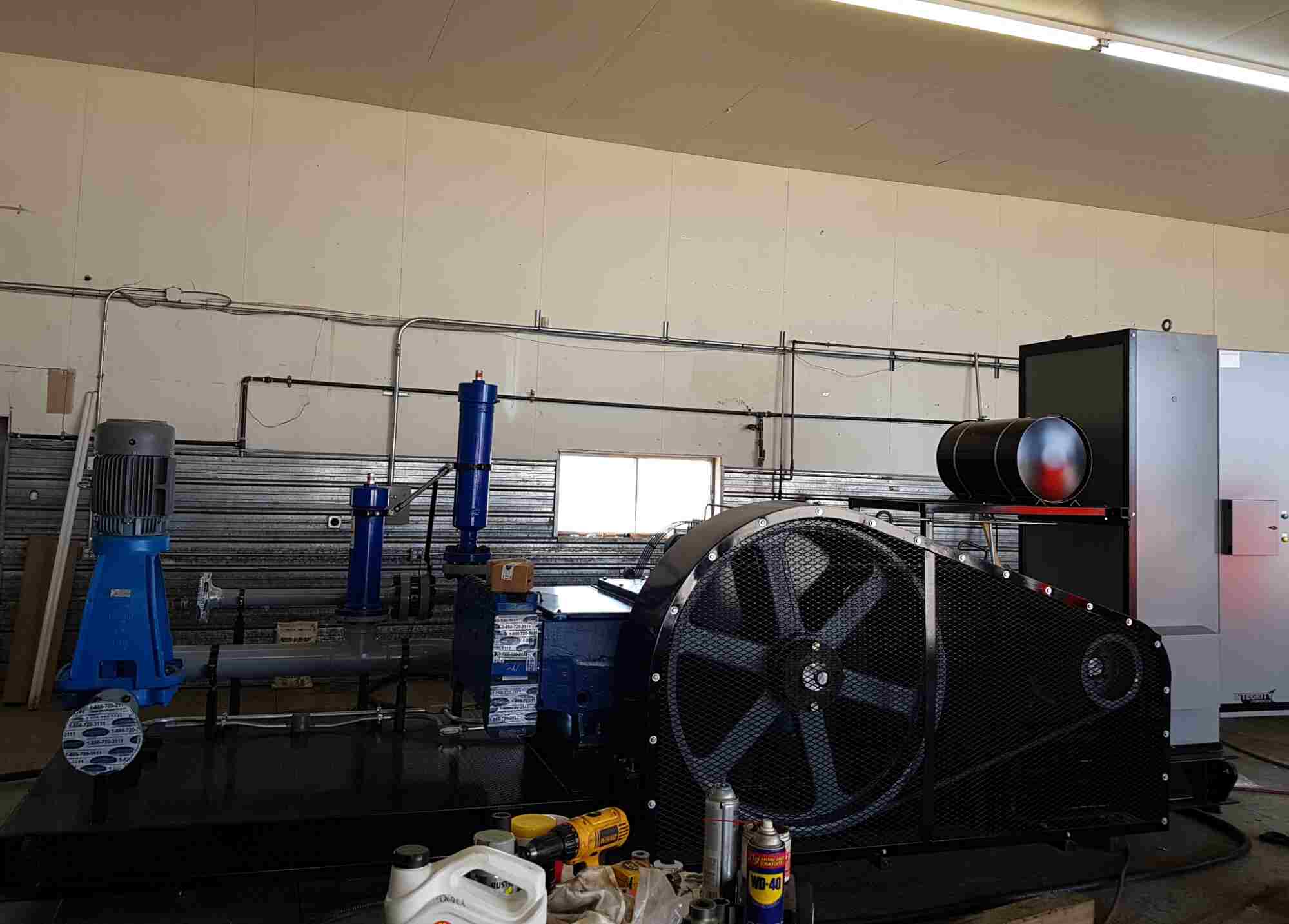
That is why pump packaging needs to begin with the correct equipment choice. Integrity Pump Service Inc. supports this process through turnkey pump skids that bring together pumps, motors, piping, valves, and controls as one coordinated system. This helps improve startup consistency and long term reliability.
Why Does Long Term Support Matter After Pump Selection?
Selecting the right pump type is only one part of building a reliable system. Even when the correct pump is chosen, performance can still suffer if installation quality, alignment accuracy, maintenance practices, or repair planning are not handled properly.
Long term reliability also depends on how well the system is supported after startup. Issues such as misalignment, vibration, component wear, and improper fit can affect service life and performance over time. Support capabilities such as machining, balancing, vibration analysis, alignment, and field and shop services help identify root causes and reduce the risk of recurring issues.
The Right Pump Choice Is Essential For Long Term Performance
Choosing between a centrifugal pump and a positive displacement pump affects system reliability, maintenance frequency, energy use, and how well the full package will operate under real site conditions.
If you are planning a new pump system or dealing with recurring performance issues, our specialists can review your application and help determine whether a centrifugal pump or positive displacement pump is the right fit. Use the form below to contact us and discuss your system requirements.