
Article Overview
Custom pump packages for oil and gas are designed around the fluid, operating conditions, solids content, pressure, temperature, and site requirements of the application. This article explains how pump packages are built for oilfield mud and slurry handling, fuel transfer, refinery service, and hydrocarbon processing, including pump selection, abrasion resistance, sealing, materials, piping, valves, controls, and the design considerations that help equipment perform reliably in demanding service.
Oil and Gas Pump Packages Are Built Around the Application
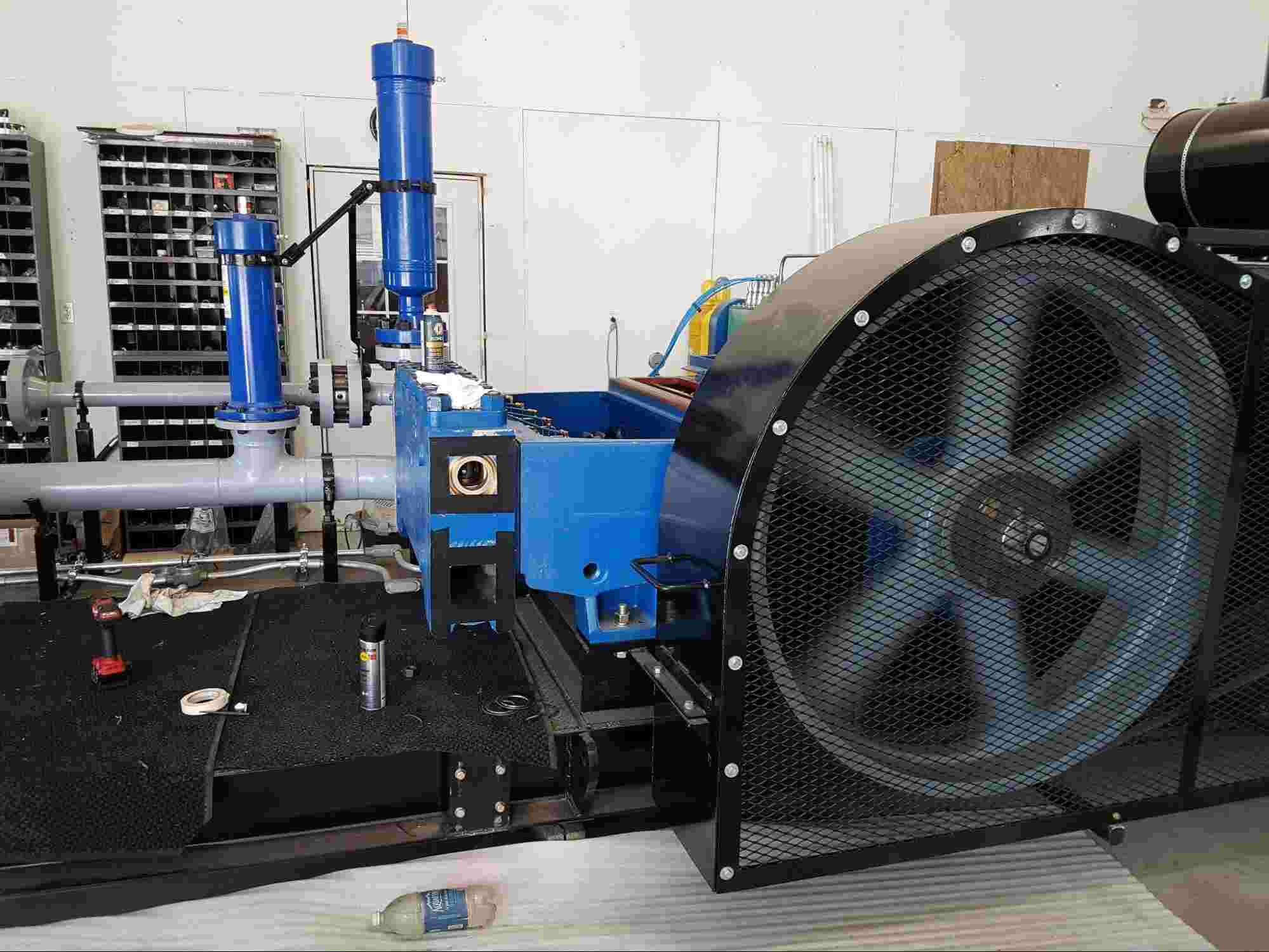
Oil and gas pumping applications can involve everything from relatively clean fuels to drilling mud containing large amounts of abrasive solids. Pumps may transfer hydrocarbons, circulate drilling fluids, feed solids-control equipment, move produced water, support injection systems, or operate continuously inside a processing facility.
Because the applications are so different, custom pump packages for oil and gas should not be designed around flow and pressure alone. The complete operating environment needs to be reviewed before the pump, motor, piping, valves, seals, and controls are selected.
That review typically includes the required flow rate, suction and discharge conditions, fluid viscosity, specific gravity, solids concentration, particle size, operating temperature, corrosiveness, expected duty cycle, available power, hazardous-area requirements, and the amount of maintenance access required around the finished package.
For a broader look at how the complete package affects reliability, read What Is Pump Packaging and Why Does It Impact Long Term Performance?.
What Types of Oilfield Pumps Are Used?
The types of oilfield pumps used in packaged systems depend on the fluid being handled and what the system needs to accomplish.
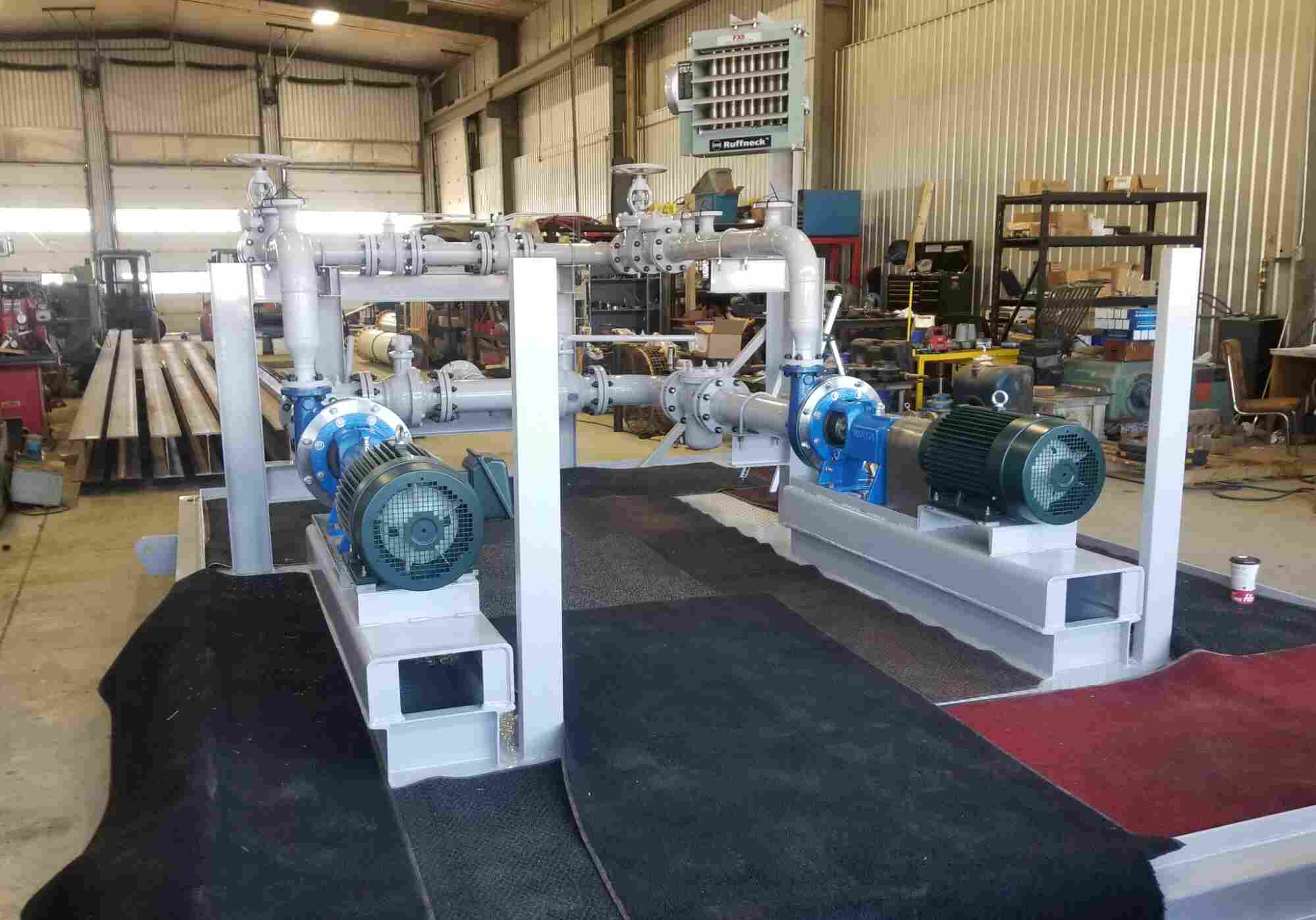
Centrifugal pumps are commonly used for transfer, circulation, water handling, tank service, solids-control systems, and many general process applications. Their ability to move relatively high volumes makes them useful across a wide range of oilfield and industrial systems.
Heavy-duty centrifugal slurry pumps are designed for fluids containing abrasive solids. Depending on the service, they may use thicker wear areas, replaceable liners, heavy shafts and bearings, abrasion-resistant materials, and sealing arrangements intended for solids-laden fluids.
Positive displacement pumps are often used when the application involves higher viscosity, controlled flow, higher pressure, or operating conditions that are not well suited to a conventional centrifugal pump. This category includes reciprocating pumps as well as rotary designs such as gear, screw, and progressing cavity pumps.
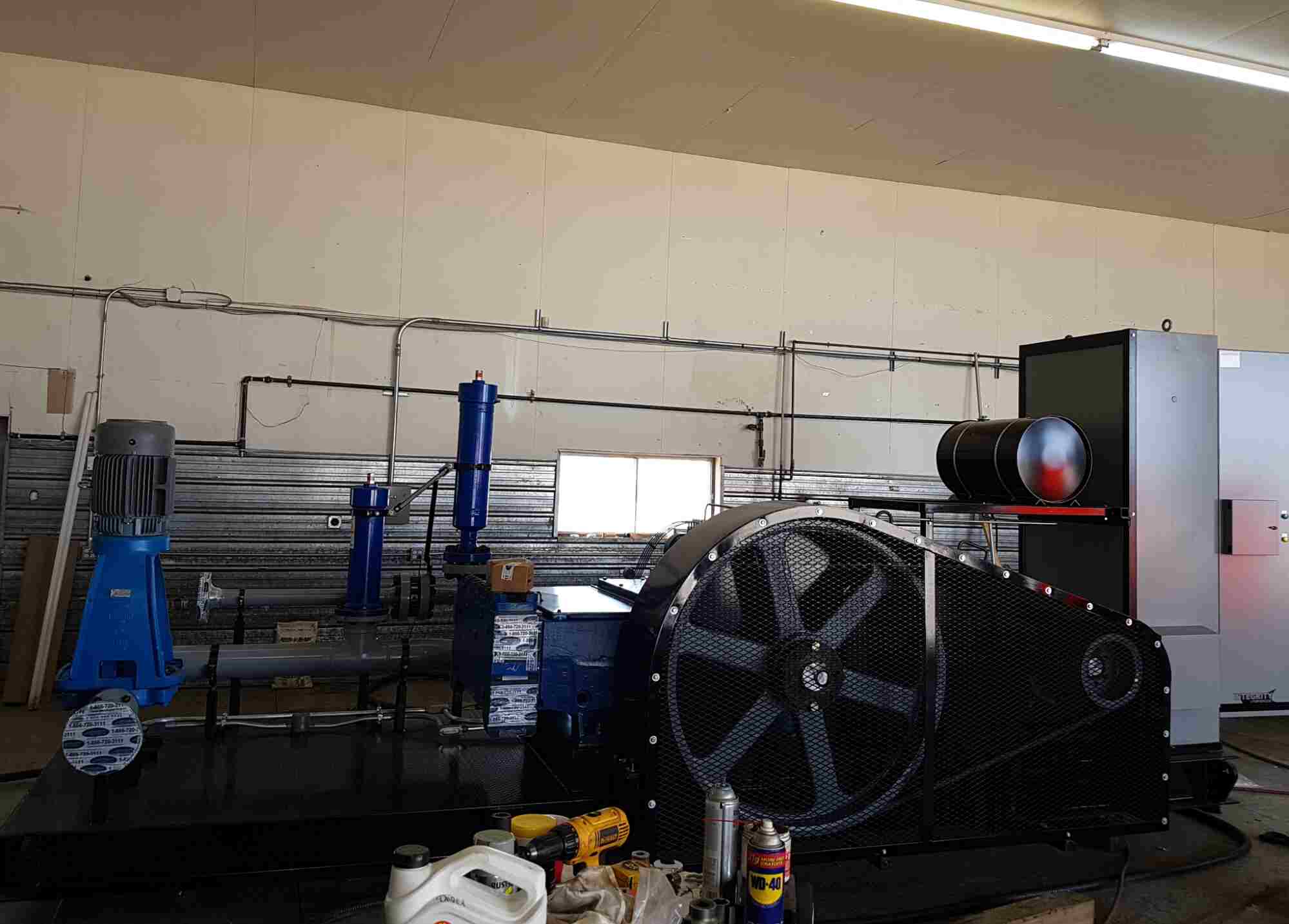
Progressing cavity pumps can be useful for viscous products, produced fluids, and certain solids-containing applications. Reciprocating and plunger pumps are commonly used where higher pressure or controlled displacement is required.
Choosing the pump type affects nearly every other part of the package. Motor horsepower, piping arrangement, valve selection, relief protection, controls, and maintenance requirements may all change depending on the pump.
For more information on this selection process, see Centrifugal Pump Vs Positive Displacement Pump: Which Is Right For Your System?.
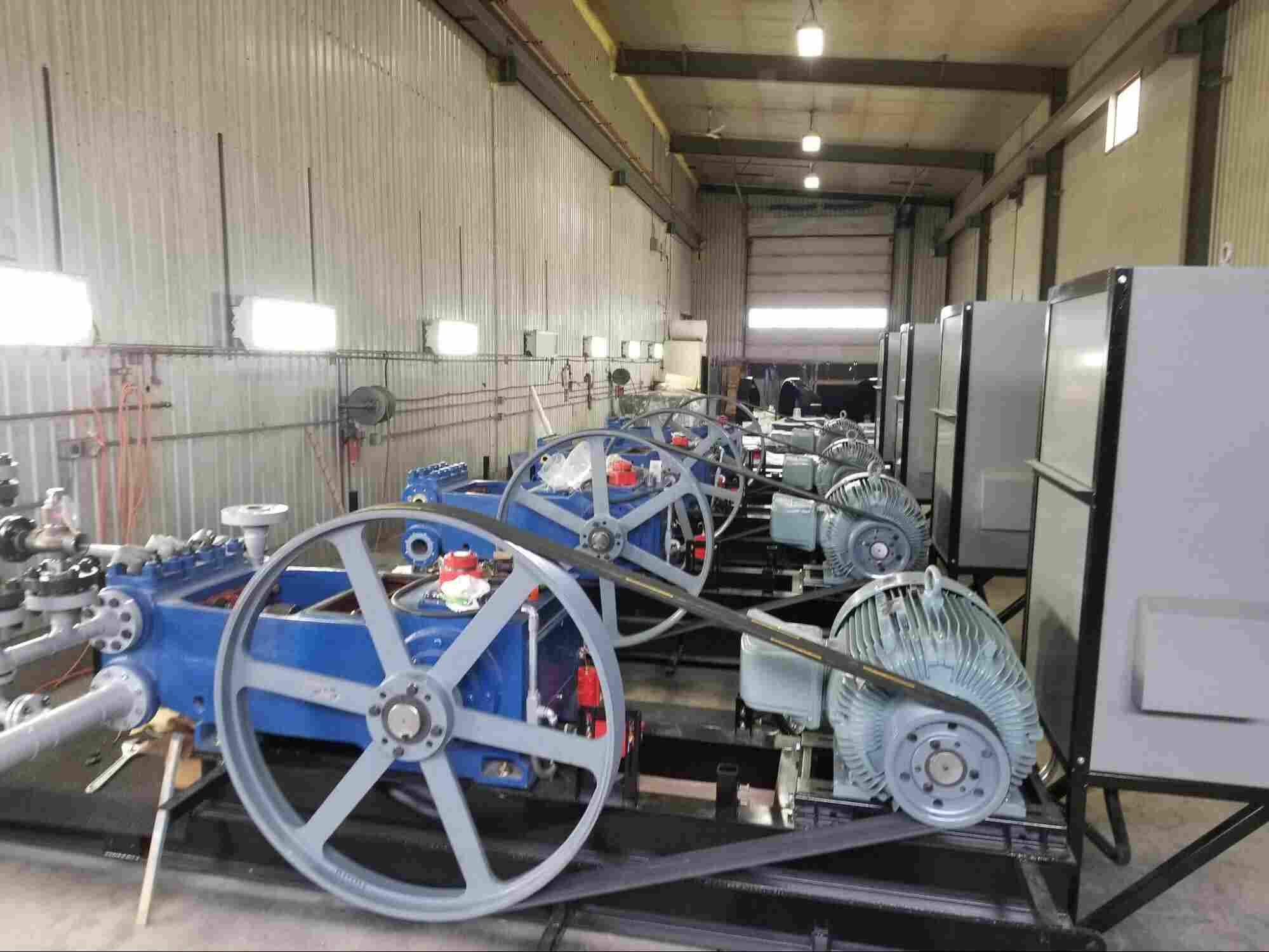
For examples of equipment used in these applications, see the available centrifugal pumps and related components.
Abrasive Mud and Slurry Require Wear-Resistant Design
Oilfield mud and slurry service create a different set of problems than clean-fluid transfer.
Sand, drilling solids, and other abrasive particles continually contact the pump casing, impeller, liners, wear plates, valves, fittings, and piping. Over time, that contact removes material and can change the internal clearances that allow the pump to operate efficiently.
The severity of the wear depends on factors such as particle hardness, size, concentration, shape, and fluid velocity. This means a slurry package should be designed with wear in mind from the beginning.
Depending on the application, the pump may require replaceable liners, wear plates, hardened components, heavy-duty bearings, or abrasion-resistant alloys. Components that are expected to wear should also be accessible so they can be inspected and replaced without dismantling large sections of the package.
Piping layout matters as well. Excessive velocity can accelerate erosion, while velocity that is too low may allow solids to settle in the line. Elbows, reducers, tees, and other fittings should therefore be positioned with both flow characteristics and wear patterns in mind.
A good slurry package does not assume that wear can be eliminated. Instead, it is designed to control wear where possible and make maintenance practical when components eventually need service.
Seal Selection Is Critical in Hydrocarbon and Slurry Service
Sealing is one of the most important considerations when the fluid contains abrasive solids, hydrocarbons, chemicals, or other products that need to remain contained.
Depending on the pump and application, sealing arrangements may include packing, single mechanical seals, dual mechanical seals, cartridge seals, slurry-specific seals, or sealless designs.
Slurry applications are difficult because abrasive solids can enter the sealing area. Once solids reach sealing surfaces, they can cause scoring, heat, leakage, and premature failure.
Hydrocarbon and petrochemical services create different concerns. Seal materials must be compatible with the product, pressure, and operating temperature. Certain applications may also require seal support systems, flushing arrangements, or secondary containment.
The seal should therefore be selected as part of the complete package design rather than treated as a component that is added after the pump has already been chosen.
Petrochemical Packages Require Heavy-Duty Piping and Careful Component Selection
Refinery and petrochemical pump packages often involve more demanding process conditions and specifications.
Before equipment is selected, the package designer needs to understand the required flow, differential pressure, suction conditions, temperature, fluid composition, viscosity, material requirements, and design pressure.
Piping and valves must be selected around those same conditions. Pipe size, wall thickness, flange rating, fittings, supports, and connection locations all need to match the service. Proper support is important because excessive piping loads can affect pump alignment, vibration, seals, and bearings.
Valve selection is equally important. Isolation valves, check valves, control valves, drains, vents, bypasses, and pressure-relief equipment may all be required depending on the system.
Material compatibility also needs to extend beyond the pump itself. Piping, valve trim, gaskets, O-rings, mechanical seals, tubing, fittings, and instruments may all come into contact with the process fluid.
For more information on complete systems, see the custom pump package capabilities available for industrial applications.
The Right Package Starts With the Operating Conditions
Oilfield, slurry, refinery, and petrochemical applications place very different demands on pumping equipment.
Abrasive drilling mud requires attention to solids handling, wear materials, velocity, and maintenance access. Fuel transfer places more emphasis on reliable containment and compatible sealing materials. Refinery and petrochemical processes can add higher pressures, temperatures, chemical compatibility requirements, instrumentation, controls, and detailed site specifications.
That is why custom pump packages for oil and gas should be designed as complete systems.
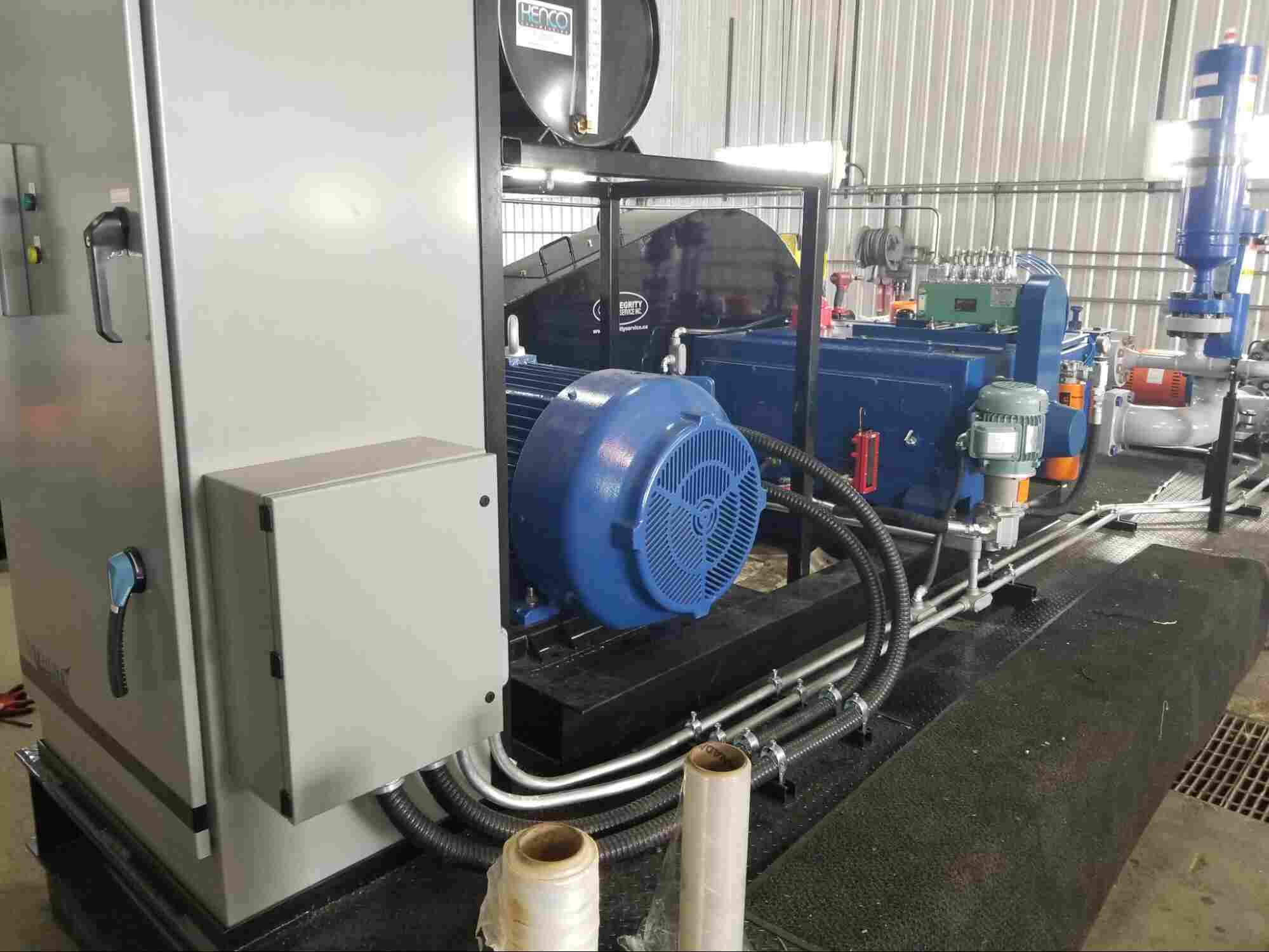
The pump, driver, piping, valves, seals, controls, instrumentation, and structural base all need to support the same operating conditions. When those components are selected and built together, the finished package is easier to install, service, and operate while reducing the risk of avoidable field modifications and recurring equipment problems.