
Article Overview
Pump packaging is the process of building a complete pump system around the pump itself. It includes the base, motor, coupling, piping, instrumentation, controls, alignment, quality checks, and documentation. This article explains why proper packaging is important for reducing vibration, pipe strain, premature wear, and field modifications that should have been addressed earlier.
What Does Pump Packaging Include?
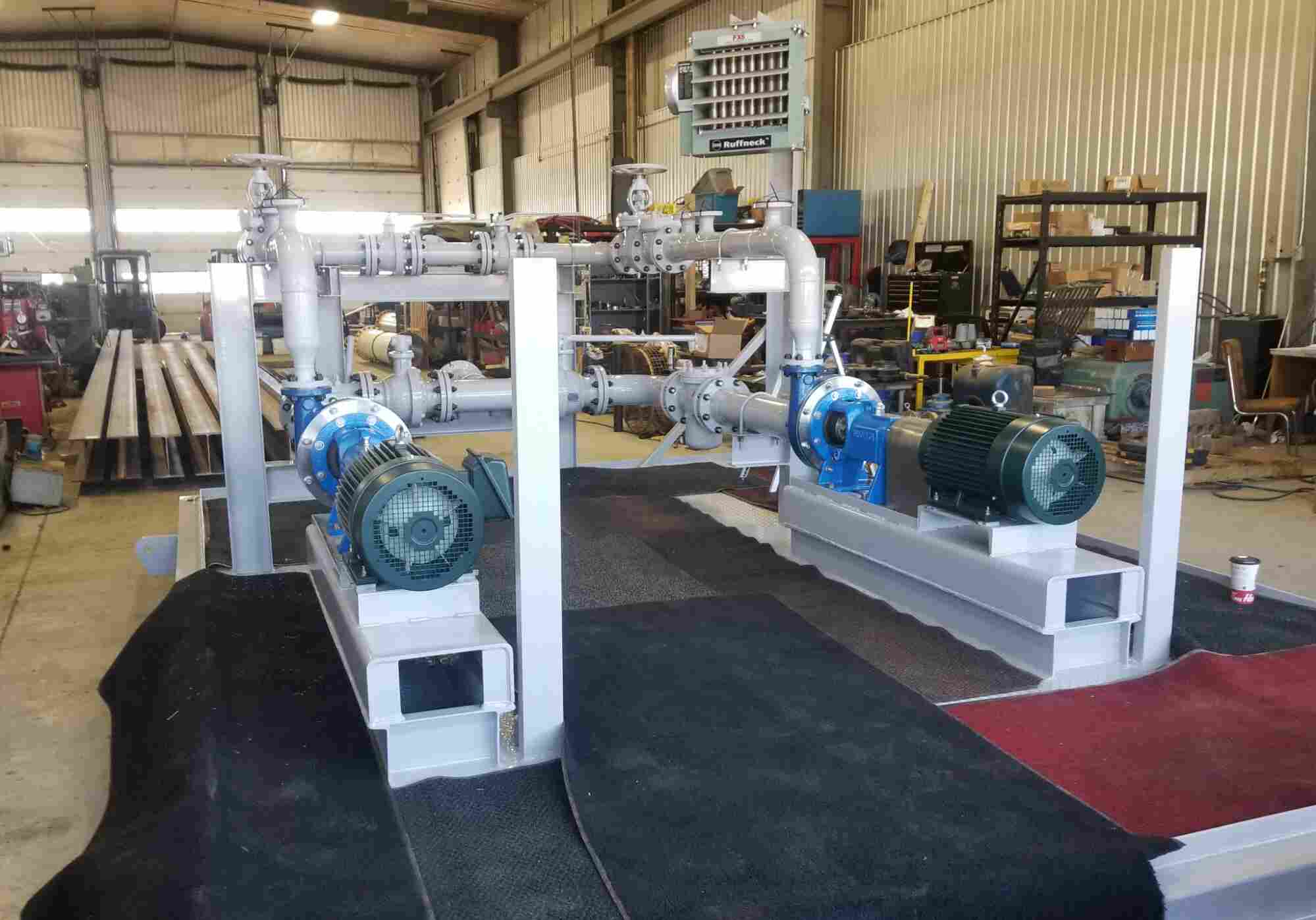
Pump packaging includes much more than placing a pump and motor on a skid. A reliable package starts with reviewing duty conditions, pump type, fluid properties, pressure requirements, and site limitations. From there, the package is designed so the equipment can operate, be serviced, and be installed with fewer field changes.
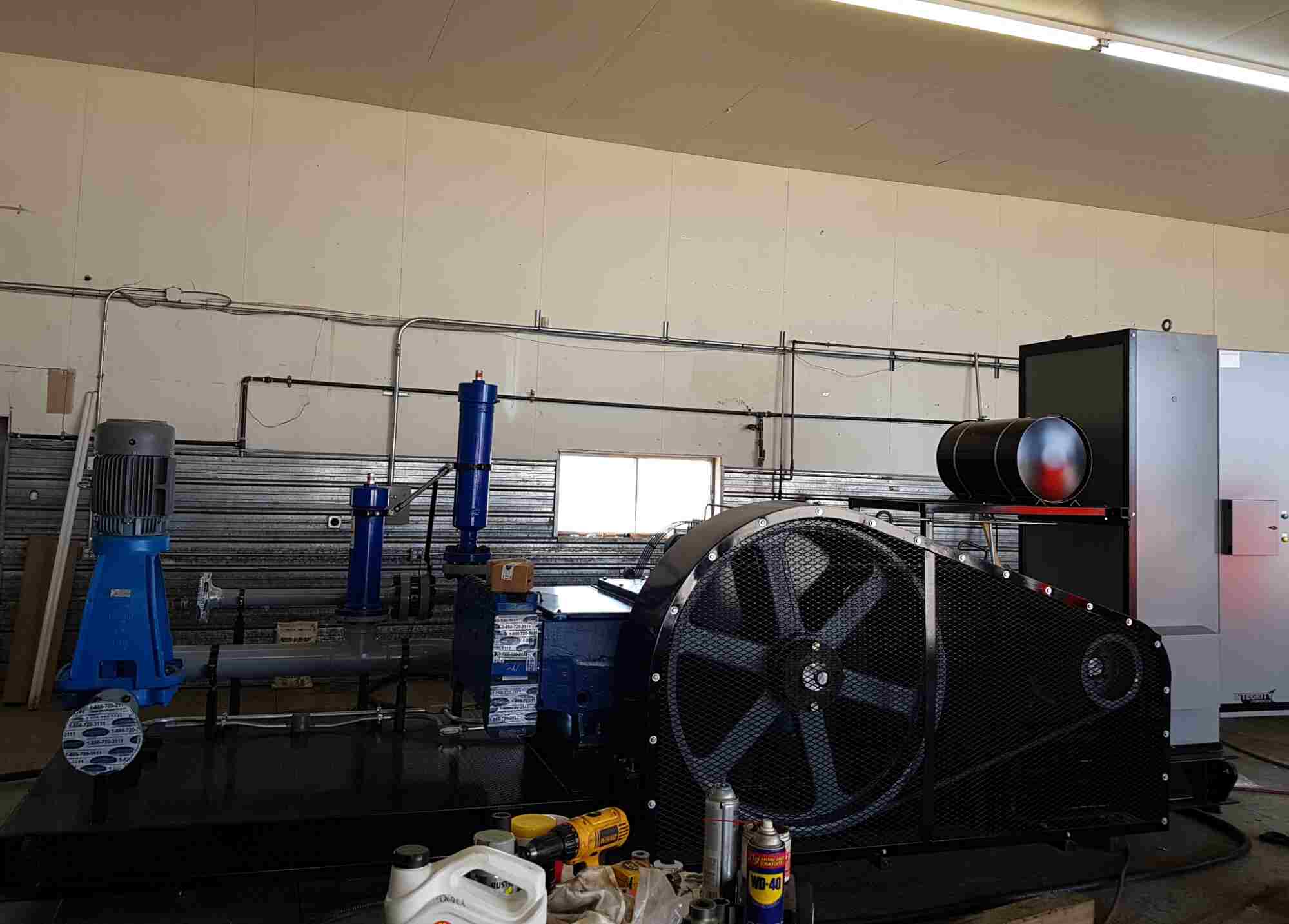
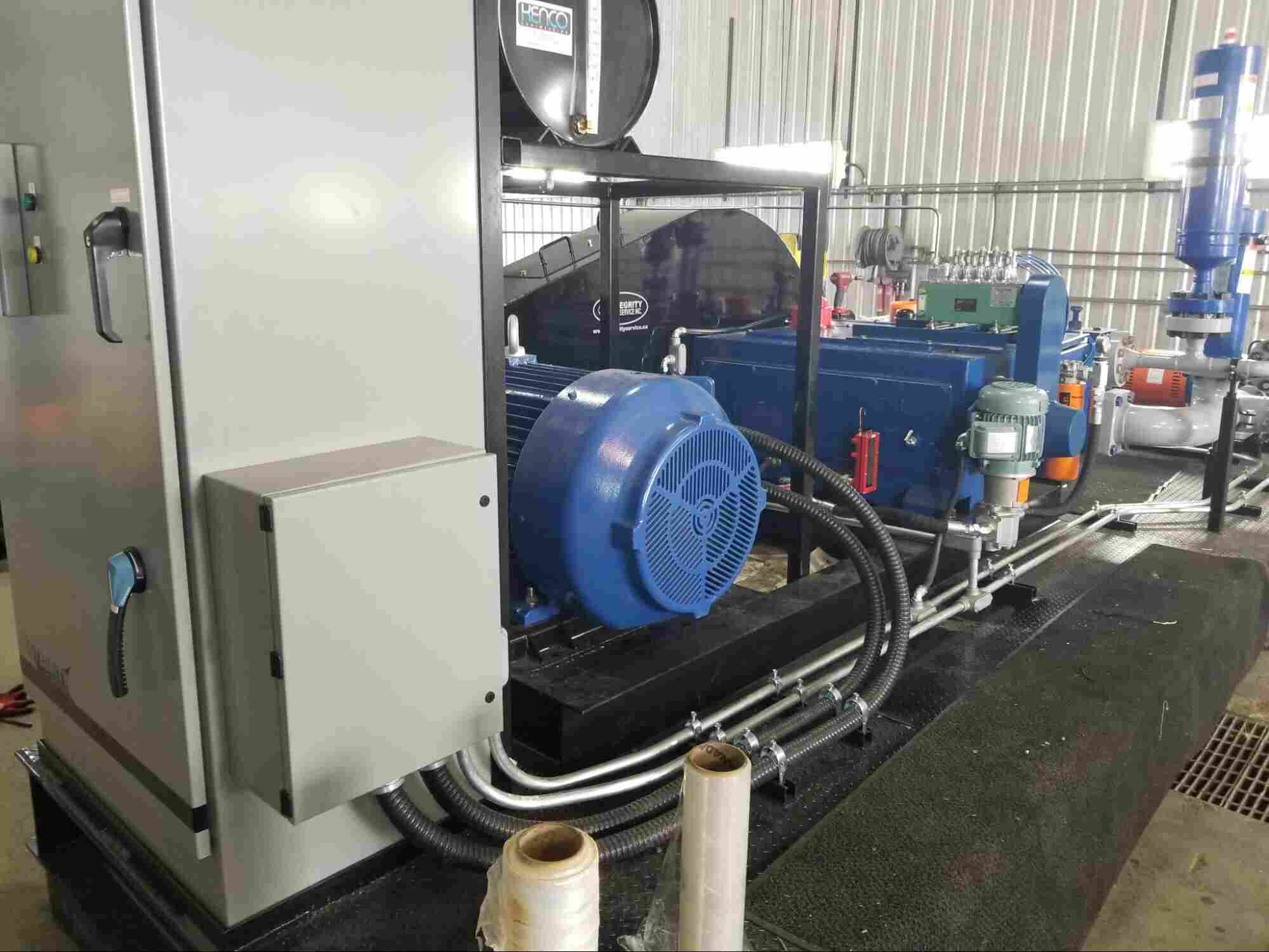
A complete package may include the skid or baseplate, pump, driver, coupling, guards, suction and discharge piping, valves, strainers, instrumentation, controls, relief protection, drawings, specifications, test information, and manuals. The motor must match the pump duty, power requirement, speed, service factor, and environment.
Pump package design is used when a pumping system needs to be built as a coordinated, ready-to-install unit rather than assembled from separate components in the field.
Why Base Design Matters In Pump Packaging
The base is the foundation of the package. If it is too light, poorly supported, or difficult to level, the full system can move under load. That movement affects coupling alignment, pipe fit-up, bearing life, and vibration performance.
A good base design considers equipment weight, motor size, maintenance access, anchor points, lifting requirements, and piping loads. It also gives technicians room to inspect, align, and service the pump without unnecessary disassembly.
What Problems Come From Poor Pump Packaging?
Poor pump packaging often shows up after startup, when changes are most expensive. A package may require field welding, piping changes, coupling adjustments, instrumentation relocation, or repeated alignment work because key details were missed during design and assembly.
Common problems include:
● Excessive vibration from weak bases, misalignment, imbalance, or pipe strain
● Premature bearing, seal, coupling, and packing wear
● Restricted suction piping that increases cavitation risk
● Poor access for lubrication, inspection, and maintenance
● Incomplete documentation that slows installation and troubleshooting
The first cost is the modification itself. The larger cost is the downtime and labour that follow when a new or rebuilt system does not perform as expected.
How Pump Packaging Connects To Alignment And Vibration
Alignment is one of the most important checks in pump packaging. Even a well selected pump can fail early if the shafts are misaligned. Misalignment increases load through the coupling, bearings, and seals, which can lead to heat, vibration, and repeat failures.
Laser alignment is used to confirm that the pump and driver are positioned correctly before startup and after installation when required. It is especially useful when vibration, coupling wear, or bearing issues suggest that the pump and motor are not operating on the intended centerline. For more detail on how vibration can affect pump reliability, read our article What Causes Centrifugal Pump Cavitation and How to Prevent It to understand how hydraulic issues can lead to vibration, seal damage, and premature component wear.
Why Should Piping And Instrumentation Be Reviewed Early?
Piping layout affects hydraulic performance and mechanical reliability. Suction piping should provide stable flow into the pump, while discharge piping should support the required pressure and control strategy. Unsupported piping can place force on the casing, shift alignment, and create vibration.
Instrumentation also needs to be planned before fabrication. Gauges, flow meters, switches, sensors, relief devices, and control panels should be placed where operators can use them safely and maintenance teams can access them.
How Does Pump Type Selection Influence The Package?
Pump packaging should not be separated from pump selection. A centrifugal pump, positive displacement pump, multistage pump, or vertical turbine pump will each require different piping, controls, protection, and service access.
The wrong pump type can make the package unreliable before it is built. Flow rate, pressure, viscosity, solids content, suction conditions, and control requirements should be reviewed first. Read our article Centrifugal Pump Vs Positive Displacement Pump: Which Is Right For Your System? to understand how pump type affects package design and long term reliability.
How Better Pump Packaging Improves Long Term Performance
Good pump packaging reduces risk before the equipment reaches the field. It improves alignment stability, lowers vibration, supports maintenance access, reduces startup issues, and helps protect bearings, seals, couplings, and piping. It also reduces costly field modifications that can delay commissioning and increase project cost.
Quality control and documentation support that result. Dimensional checks, weld inspection, rotation checks, pressure testing, alignment readings, vibration checks, drawings, manuals, and test records all help installation and future maintenance proceed with fewer delays.
For facilities managing critical pumping systems, packaging should be treated as part of reliability planning rather than a final assembly step. The pump, motor, base, piping, controls, and documentation all affect how the system performs once it is placed under real operating conditions.
Why Should Pump Packaging Be Treated As A Reliability Decision?
Pump packaging affects every stage of long term system performance, from installation and startup to maintenance access, vibration control, and component life. A properly packaged system gives the pump, motor, piping, controls, and instrumentation a stable and practical foundation. It also reduces the chance of field modifications that can add cost, delay commissioning, and create reliability problems before the system is fully in service.
Poor packaging often leads to problems that appear unrelated at first, such as seal failures, bearing wear, coupling issues, cavitation symptoms, or repeat alignment concerns. In many cases, the root cause is not one failed part. It is the way the full package was designed, assembled, supported, and documented.
For facilities managing critical pumping equipment, pump packaging should be reviewed with the same care as pump selection, alignment, and system design. When the package is built around actual operating conditions, maintenance requirements, and reliability expectations, the result is a system that is easier to install, easier to service, and better prepared for long term operation.
If you are planning a new pump package or dealing with recurring vibration, alignment, or performance issues, contact Integrity Pump Service Inc. to review your system requirements and discuss the best path forward.